























































































































By Patrice NSENGIYUMVA
 Rwanda’s agricultural transformation has long been cited as one of the country’s most powerful development success stories.
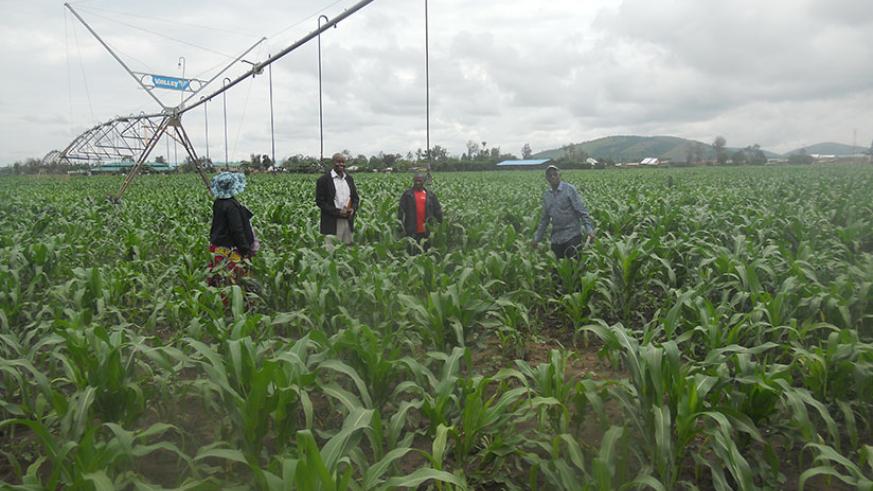
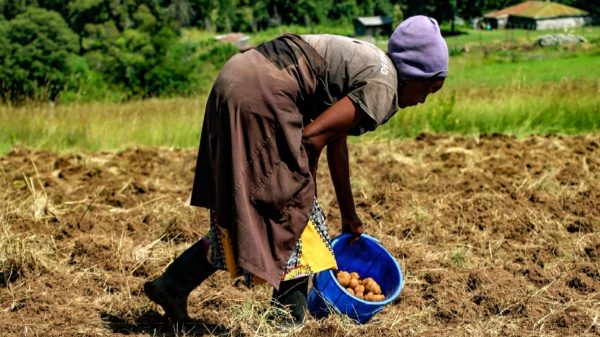
From sweet potatoes in the North-West to maize and rice in the lowland valleys, modernization—driven by cooperation between the government, cooperatives, and farming communities—has significantly improved food security and rural livelihoods.
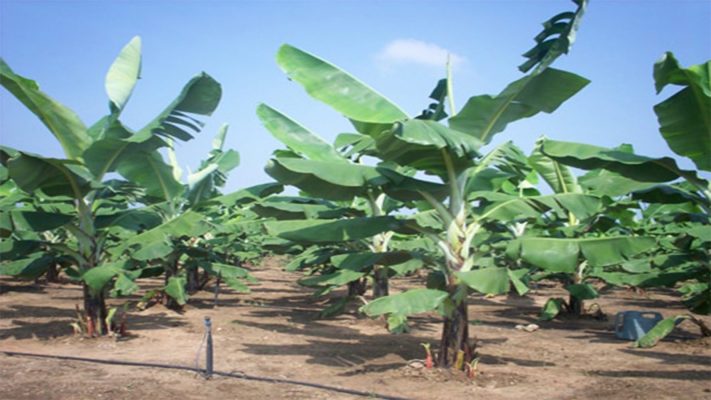
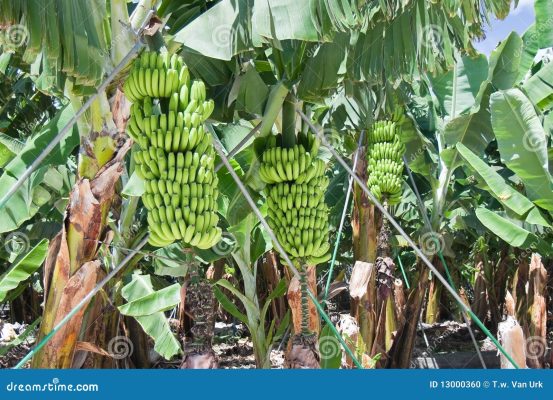
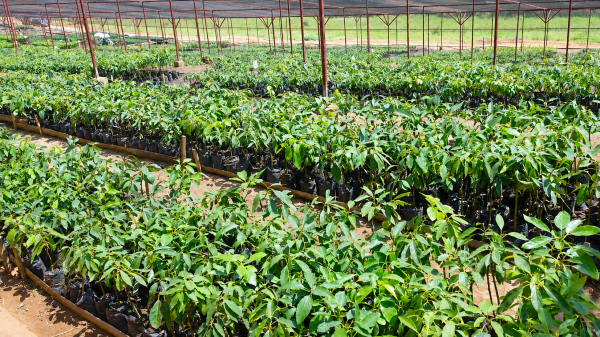
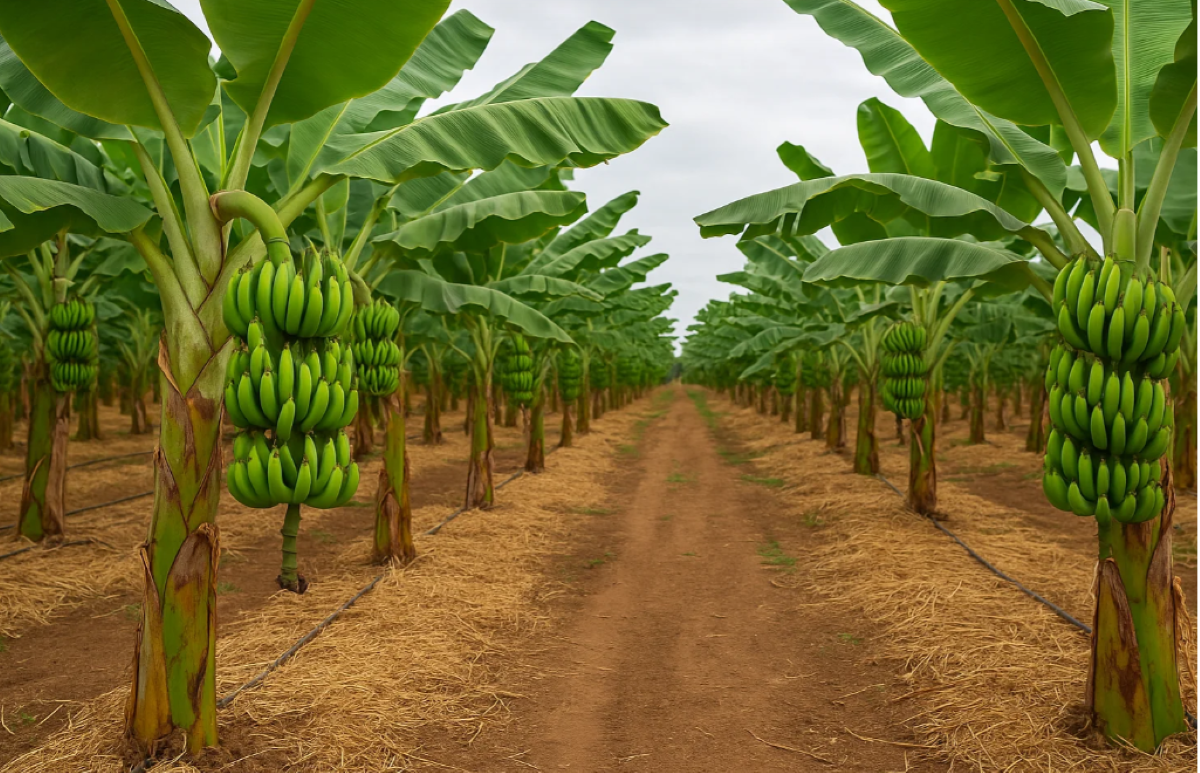
Today, Rwanda should stand before a new frontier: the modernization of its banana sector, a crop deeply rooted in national identity and especially dominant in the Eastern Province. Despite its importance, banana cultivation remains predominantly traditional, limiting its productivity and its potential to contribute to national prosperity.
The Rwanda Agriculture and Animal Resources Board (RAB) must have a decisive role to play in turning this potential into reality. With improved and disease-resistant varieties, strengthened extension services, and the promotion of agro-ecological practices, RAB can guide farmers toward sustainable, high-yielding systems adapted to the country’s changing climate.
However, environmental protection—one of the core pillars of FSDS (www.fsds.org.rw) is central to this transition. Properly managed banana plantations naturally protect against soil erosion, enrich organic matter, and sequester carbon.
By adopting sustainable techniques such as organic fertilization, agroforestry, mulching, and biological pest control, farmers can boost yields while safeguarding the fragile ecosystems of Eastern Rwanda.
In this way, banana farming becomes not only profitable but also a contribution to climate resilience. Cooperatives, already at the heart of modernization in other value chains, remain essential actors.
In the Eastern Province and nationwide, stronger cooperatives can provide farmers with access to inputs, training, disease management support, and stable market structures.
Successful models from Uganda, Kenya, and Colombia demonstrate that with proper organization and investment, bananas can become a key export product and an engine of industrial growth.
Beyond economics and environmental benefits, a modern banana sector also supports peace and social cohesion. As emphasized by the FSDS Global Peace Network – “Say no to war, Yes to Peace”, inclusive agricultural development reduces vulnerabilities that often fuel conflict—such as poverty, inequality, and competition over land. A vibrant banana sector creates opportunities for youth, empowers women, strengthens community ties within cooperatives, and encourages dialogue among farmers, local leaders, and civil society. Agriculture thus becomes a space where collaboration and harmony replace rivalry and division.
By modernizing its banana sector in ways that are sustainable and peace-oriented, Rwanda can build an agriculture that feeds its population, protects the environment, and fortifies national unity.
The time has come to open, fully and confidently, the era of modern banana cultivation—an era of responsible prosperity, resilience, and enduring peace.
Let’s us together see peace everywhere and say “No to war, Yes to Peace”; because peace is a synonym of development, and sustainable development requires a sustainable peace.