





















































































“No to War, Yes to Peace” — A Christmas Message for SDG 17 and Our Shared Humanity
By Nsengiyumva Patrice
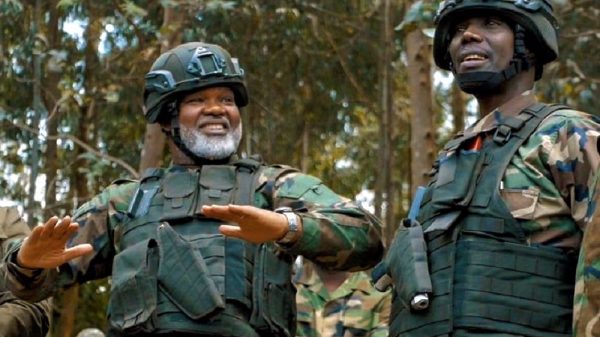
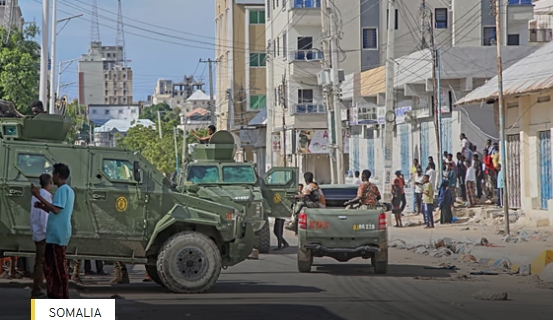
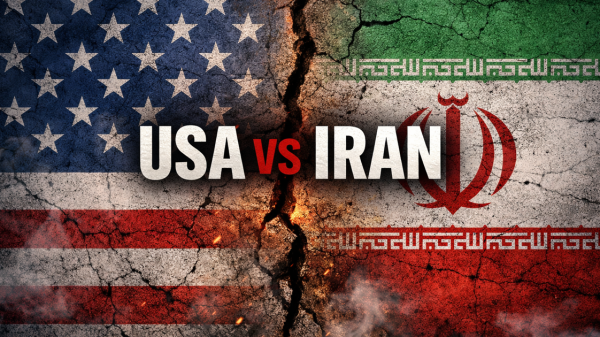
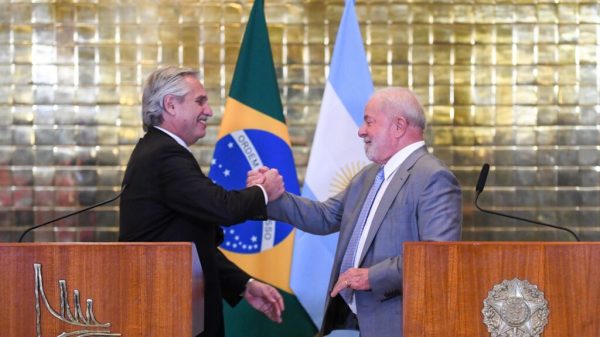
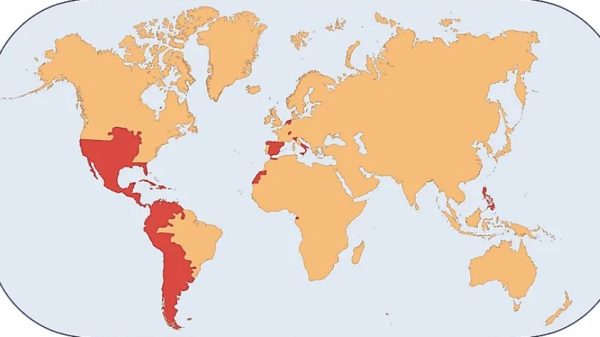
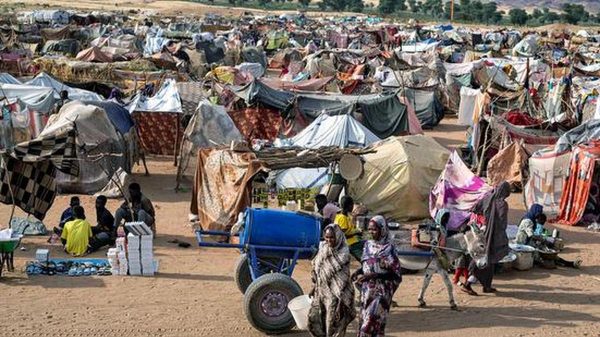
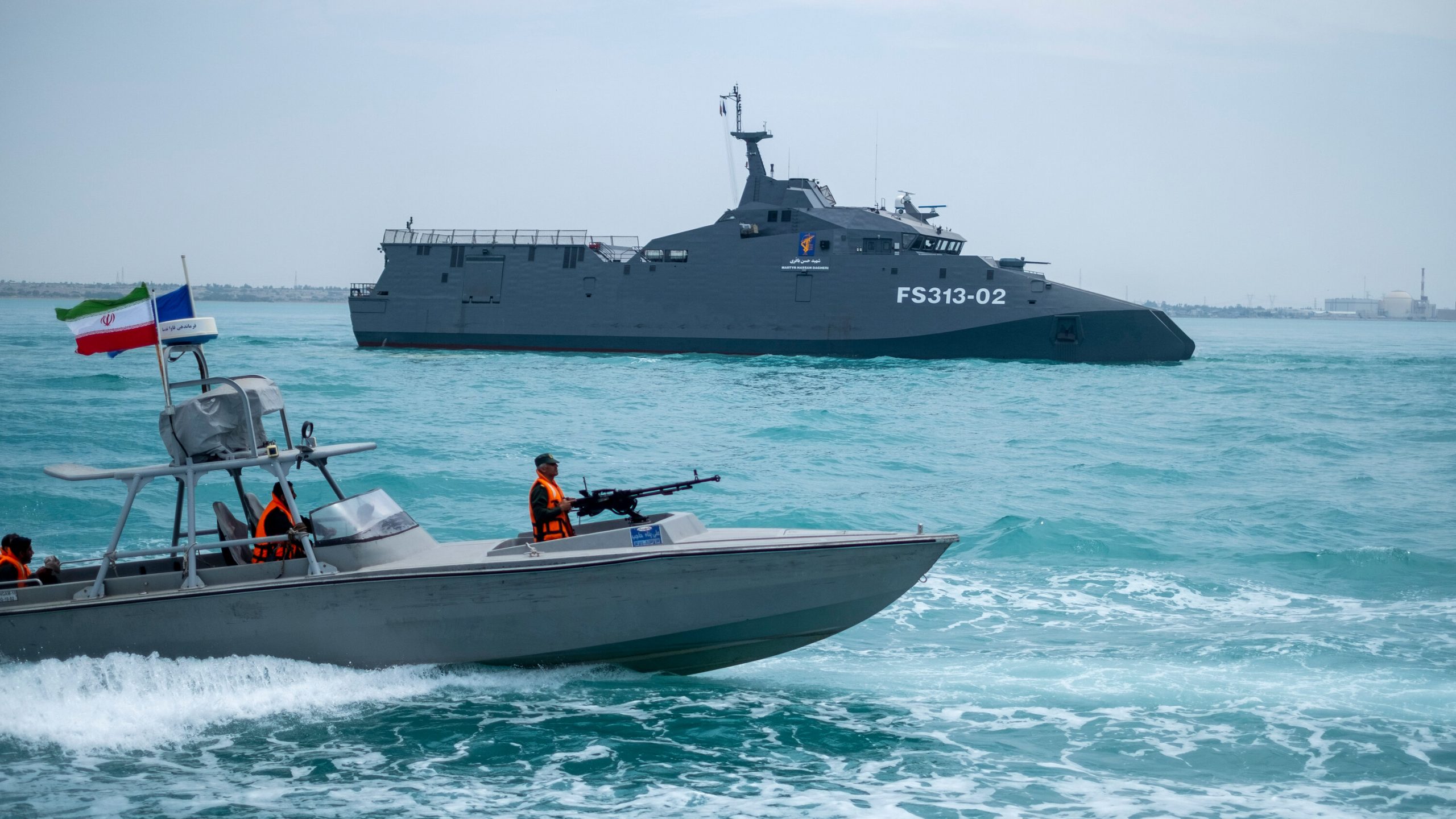
 As the world marks Christmas, a season that celebrates the birth of Jesus Christ—presented by Christians as the King of peace, hope, and love—we are confronted by a painful contradiction. The year 2025 has been marked by ongoing wars and violent conflicts across the globe: Ukraine and Russia, Gaza and Israel, Sudan, the Democratic Republic of Congo with the M23 crisis, tensions involving Iran, and many other places where ordinary people continue to suffer. Christmas arrives not only as a celebration, but as a moral question to humanity: how can we proclaim peace while accepting endless war?
In Christian faith, Christmas is not simply a historical remembrance; it is a calling. The Bible describes Jesus as the “Prince of Peace” (Isaiah 9:6), a title that challenges violence, revenge, and hatred. His birth was announced with a message that still resonates today: “Glory to God in the highest, and on earth peace, goodwill toward men” (Luke 2:14). This message stands in sharp contrast to today’s global reality, where weapons speak louder than dialogue and power often outweighs compassion.
The conflicts of our time are complex, rooted in history, politics, identity, and inequality. Yet their consequences are tragically simple: loss of life, displacement, trauma, and broken futures—especially for children and youth. From Eastern Europe to the Middle East, from Central Africa to the Horn of Africa, civilians pay the highest price. Christmas reminds us that peace is not naïve; it is necessary. As Jesus taught, “Blessed are the peacemakers, for they shall be called children of God” (Matthew 5:9). Peace is not weakness—it is courage guided by justice.
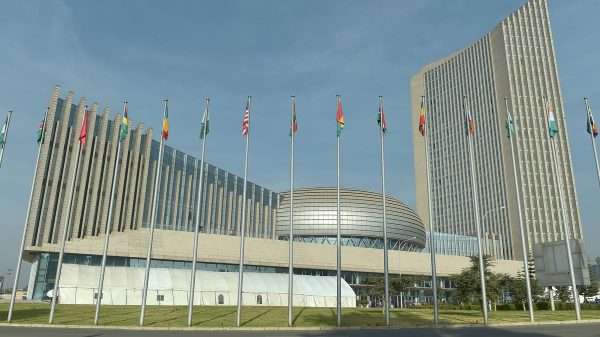
In this context, the slogan of the FSDS Global Peace Network, “No to war, yes peace,” is more than a statement—it is a movement of conscience. Saying no to war means rejecting the normalization of violence. Saying yes to peace means choosing dialogue, reconciliation, and cooperation even when they seem difficult. This vision aligns strongly with Sustainable Development Goal 17, which calls for global partnerships to achieve sustainable development. Peace cannot be built by one nation, one organization, or one belief system alone; it requires collective action across borders, cultures, and faiths.
Christmas offers a powerful opportunity to renew this commitment. It reminds political leaders of their responsibility to protect life, not destroy it. It challenges international institutions to prioritize diplomacy over militarization. It calls on civil society, faith-based organizations, and peace activists to unite their efforts. As Scripture teaches, “If it is possible, as far as it depends on you, live at peace with everyone” (Romans 12:18). This verse places responsibility on each of us—not only governments, but citizens of the world.
Peace activism today must be inclusive and strategic. It must amplify the voices of those most affected by conflict, support nonviolent solutions, promote humanitarian access, and address the root causes of war such as injustice, poverty, and exclusion. SDG 17 reminds us that partnerships—between nations, communities, youth, and faith networks—are essential to transform intentions into impact. Christmas calls us to move from words to action.
At this critical moment, I invite peace activists, youth leaders, religious communities, policymakers, and global citizens to join hands. Let us use the spirit of Christmas to rebuild trust, encourage mediation, and support peace education. Let us invest in dialogue where there is division, and hope where despair seems overwhelming. Jesus’ words remain a guiding light: “Peace I leave with you; my peace I give you. I do not give to you as the world gives” (John 14:27). This peace is deeper than silence of guns—it is justice, dignity, and shared humanity.
As we celebrate Christmas in 2025, may candles of hope be lit not only in churches and homes, but also in hearts and policies. May the global community choose cooperation over confrontation. And may the call for peace echo louder than the sounds of war. No to war. Yes to peace. Not tomorrow—now.