















































































Editorial Team
As Rwanda enters the final quarter of 2025, the country continues to shoulder a significant share of the region’s humanitarian burden. With 137,435 refugees and asylum seekers registered as of 30 September 2025, Rwanda’s commitment to providing safety, dignity, and essential services remains steady—despite growing pressure on both national systems and partners engaged in frontline support.
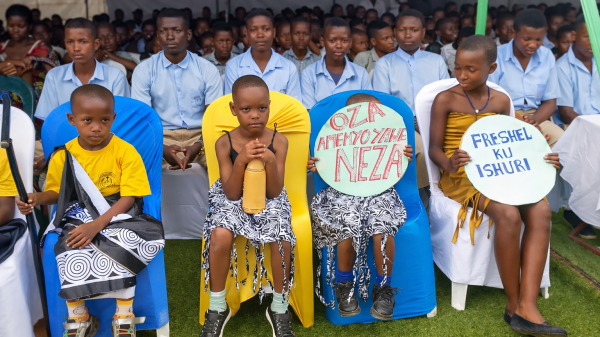
The humanitarian landscape, shaped largely by ongoing instability in the Democratic Republic of Congo, Sudan, and other conflict-affected states, has evolved rapidly. According to UNHCR statistics, since January 2025 alone, 4,608 individuals have been added to the caseload, including 1,616 new arrivals and 2,768 births. This steady growth—coupled with the fact that 75% of the refugee population consists of women and children—underscores the scale and complexity of protection needs.
Yet behind these figures lies an equally important narrative: the structural challenges faced by local Rwandan NGOs, whose role in supporting humanitarian efforts remains limited despite their proximity, contextual understanding, and potential for sustainable community-based interventions.
A Humanitarian System Dominated by International Actors
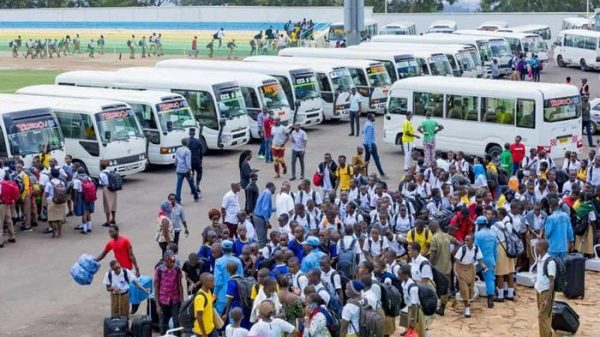
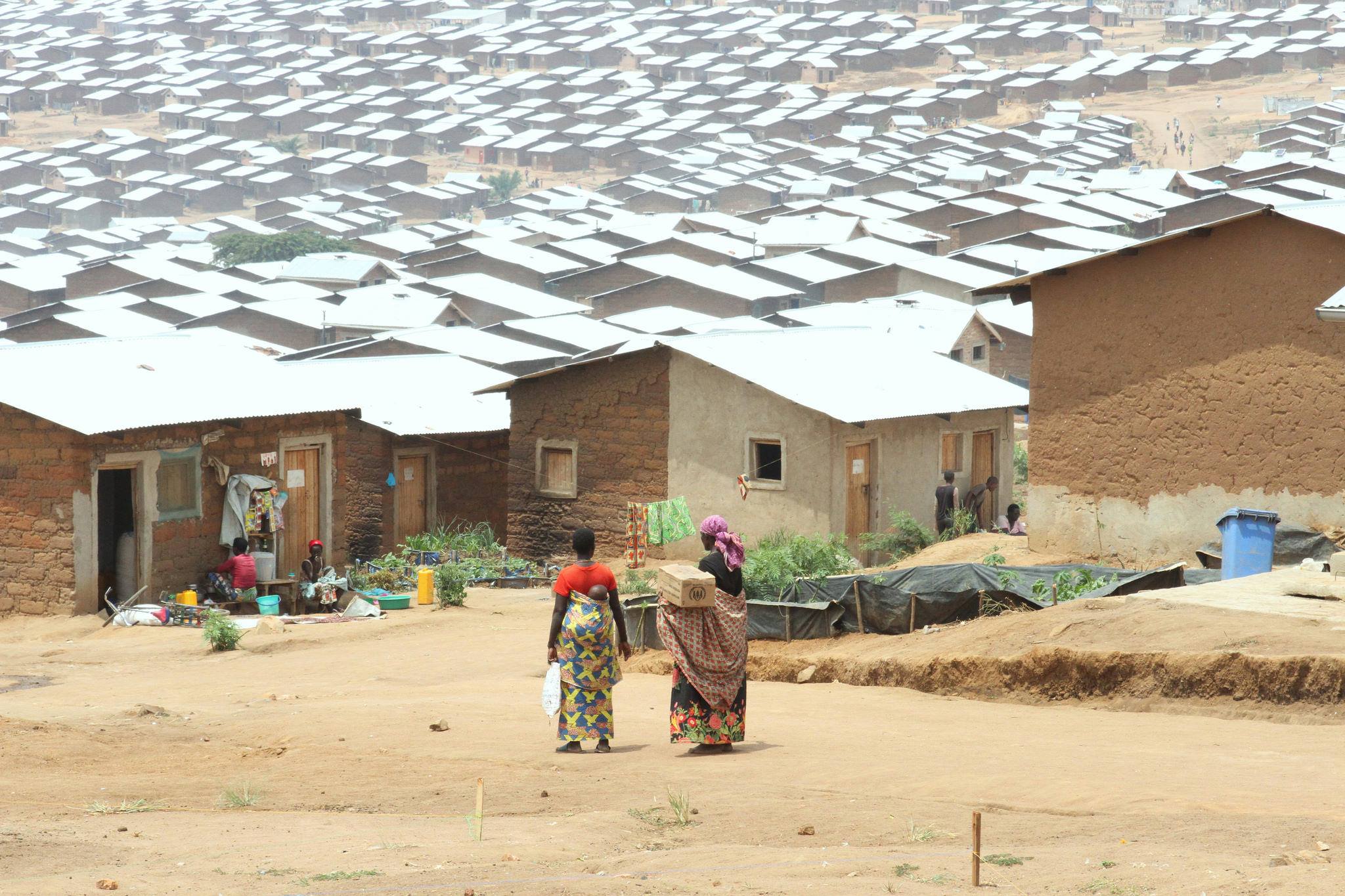
Rwanda’s refugee support architecture is largely managed through a strong partnership between the Government of Rwanda and UNHCR. This collaboration has ensured high levels of coordination, stable service delivery, and advanced systems such as biometric registration—now covering 91.4% of the population. The country hosts some of the most organized camps in Africa, with Mahama Camp alone supporting more than 70,000 individuals.
However, humanitarian operations inside these camps remain dominated by international NGOs (INGOs), which are the primary implementing partners for UNHCR and other global agencies. While their expertise is valuable, the near-exclusive reliance on INGOs limits opportunities for homegrown organizations to participate meaningfully.
Local NGOs often face major barriers, including:
- Limited access to funding streams, as most donor grants are restricted to international partners with long-standing contracts and compliance systems.
- High administrative requirements, including advanced procurement, audit, and reporting standards that smaller organizations struggle to meet despite strong field capacity.
- Restricted access to camps, where operations are largely channeled through existing INGO-led frameworks.
- Lower visibility, since global agencies often highlight their international implementing partners rather than local ones.
The result is a humanitarian system where local organizations remain peripheral actors—even though they are uniquely positioned to support long-term integration, community cohesion, and culturally grounded services.
Local Capacity Versus Structural Barriers
Rwandan NGOs bring strengths that are critical in the current humanitarian context. Many have deep community roots, strong cultural competence, and established relationships with local authorities. They are also often better equipped to manage community-based programs, psychosocial support, gender-sensitive services, and youth empowerment initiatives.
Yet local actors still struggle to unlock the resources and recognition needed to contribute at scale.
The data underscores the need for localized approaches:
- Over 46,000 children under 12 require child protection and education support.
- More than 1,600 survivors of sexual and gender-based violence need long-term psychosocial care and reintegration—areas where local NGOs have relevant expertise.
- 28,623 households depend on food and cash assistance—support systems that could benefit from local economic integration strategies led by community-based organizations.
Local NGOs, however, remain sidelined due to structural inequalities in global humanitarian financing and operational decision-making.
Towards a More Inclusive Humanitarian Model
Rwanda’s refugee response has achieved remarkable stability, but its long-term success depends on strengthening local ownership. Integrating local NGOs into service delivery is not merely a matter of fairness—it is a strategic necessity for sustainability, resilience, and community harmony.
A more inclusive approach can be achieved through:
- Direct funding mechanisms that enable local NGOs to access resources without relying solely on international intermediaries.
- Capacity strengthening partnerships that build compliance, financial management, and monitoring systems locally.
- Policy frameworks supporting shared responsibility between INGOs and national actors.
- Gradual transfer of knowledge and leadership in sectors where local organizations have demonstrated potential and community trust.
Rwanda’s humanitarian achievements are widely recognized. Its commitment to refugees—combined with international support—has ensured stability for more than 137,000 displaced individuals in 2025 alone. But the future of humanitarian response in Rwanda, and across Africa, depends on rebalancing the system to actively include and empower local NGOs.
For a region where conflict, displacement, and uncertainty remain pressing realities, building a genuinely inclusive, locally rooted humanitarian ecosystem is not just desirable—it is essential for long-term resilience and transformation.