






























































































By NSENGIYUMVA Patrice, FSDS Global Peace Network
 Opinion/Human Stories Behind Global Conflicts
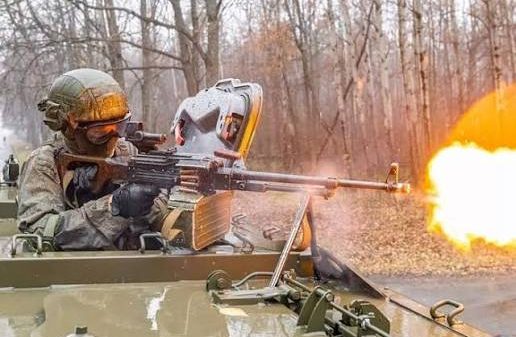
War is often justified in the name of security, sovereignty, or national interest. But beyond press conferences and military briefings, war has a human face —hungry children, traumatized parents, closed schools, ruined businesses, and poisoned land. From the Democratic Republic of Congo to Sudan, Gaza, and Ukraine, the same truth emerges: war punishes ordinary people on all sides of the conflict.
When Classrooms Become Ruins
In eastern DRC, Marie, a primary school teacher, has not taught in two years. Armed clashes forced her school to close.
“Children now run when they hear loud sounds,” she says. “They should be learning, not hiding.”
Education is among the first casualties of war. Schools are destroyed, teachers displaced, and children pushed into survival instead of study. This happens regardless of which side controls territory. A generation grows up without education, increasing the risk of future violence and poverty.
In Ukraine, students attend classes in basements or online when electricity allows. In Gaza, many schools no longer exist. On both sides of conflict lines, children lose the same thing: their future.
Hunger, Illness, and Humanitarian Collapse
In Sudan, Ahmed, a father of four, fled his home with nothing but documents.
“We don’t ask who is right or wrong,” he says. “We just want food, water, and peace.”
War destroys health systems and food supply chains. Hospitals run out of medicine. Vaccination programs stop. Farms are abandoned. Hunger spreads not because food does not exist, but because war blocks access to it.
In Gaza and parts of the DRC, preventable diseases thrive due to damaged water systems and overcrowded displacement camps. Civilians on all sides suffer malnutrition, trauma, and untreated illness. War turns basic survival into a daily struggle.
Businesses Shut Down, Livelihoods Lost
Conflict also crushes local economies. In Ukraine, small business owner Olena lost her bakery when shelling destroyed her shop.
“I employed six people,” she says. “Now we all depend on aid.”
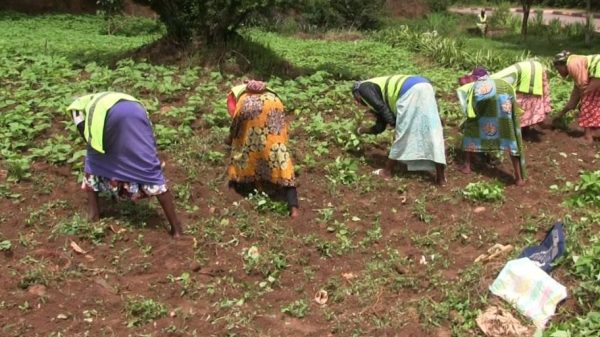
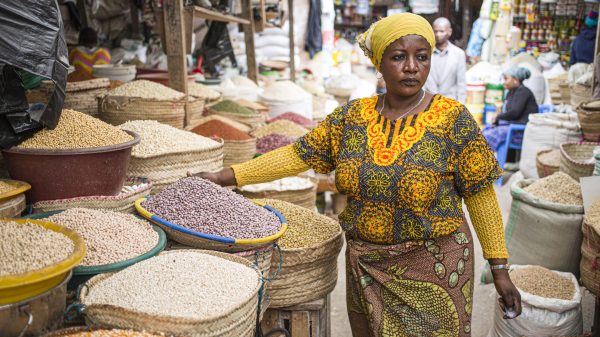
In Sudanese and Congolese towns, markets once full of life now stand empty. Farmers cannot reach their land. Traders cannot move goods. War does not only destroy buildings—it destroys dignity, independence, and hope.
While global military industries profit, local economies collapse. Communities become dependent on humanitarian aid instead of sustainable livelihoods.
The Silent Victim: The Environment
The environment is a forgotten casualty of war. Forests are burned, rivers polluted, farmland contaminated with explosives. In conflict zones, soil becomes unsafe, wildlife disappears, and clean water turns toxic.
This environmental destruction affects both current and future generations—long after ceasefires are signed. War steals tomorrow as well as today.
Powerful Money, Weak Moral Choices
All this suffering unfolds while powerful countries spend hundreds of billions of dollars on military budgets each year. A fraction of this money could rebuild schools, fund hospitals, protect the environment, and support peace-building.
The issue is not lack of resources —it is lack of political will. War financing continues, while hunger, illness, and displacement are treated as secondary emergencies.
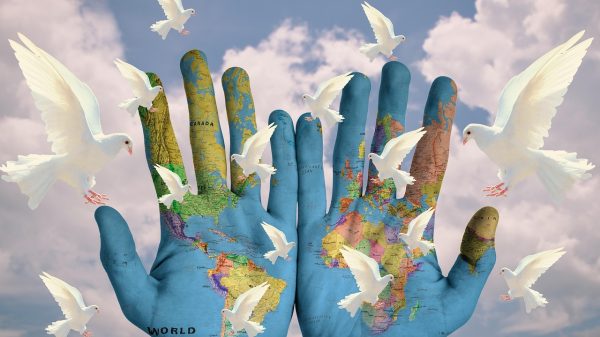
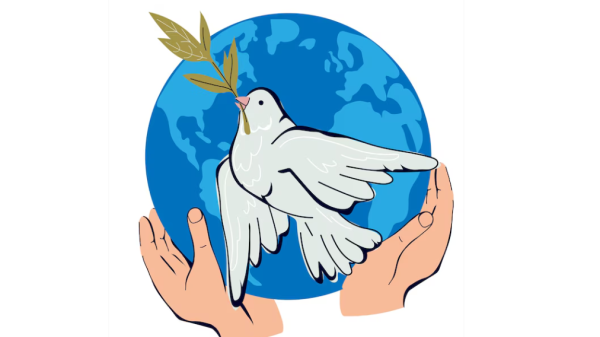
The FSDS Global Peace Network calls this out clearly: “No to War, Yes to Peace.” Peace is not weakness. Peace is the strongest investment in human security.
Peace Is About People, Not Politics
Peace means children in classrooms, not camps.
Peace means hospitals with medicine, not rubble.
Peace means businesses open, land cultivated, rivers clean.
Peace means dignity for all —on every side of a conflict.
From a human perspective, war has no winners. Mothers grieve in every language. Children cry under every flag. The suffering is shared, even when the politics are divided.
A Call to Conscience
We must demand a shift in priorities—from weapons to welfare, from destruction to development. Governments, international institutions, and citizens must pressure leaders to invest in peace, diplomacy, education, health, and environmental protection.
Saying “No to War, Yes to Peace” is not naïve. It is realistic, urgent, and humane.
The world has enough money to end hunger, prevent disease, and educate every child. What we lack is the courage to choose people over war. It is time to make that choice.