










































































































Panorama
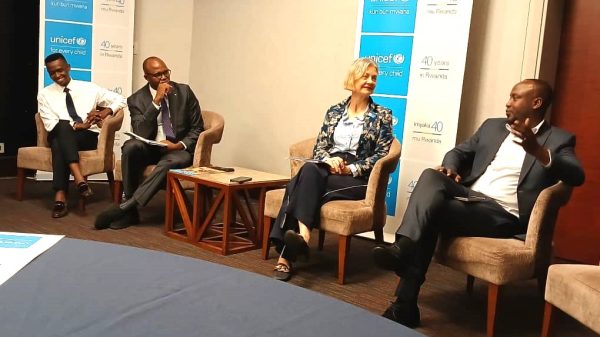
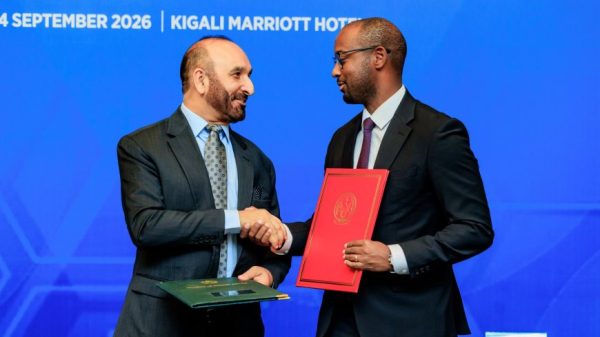
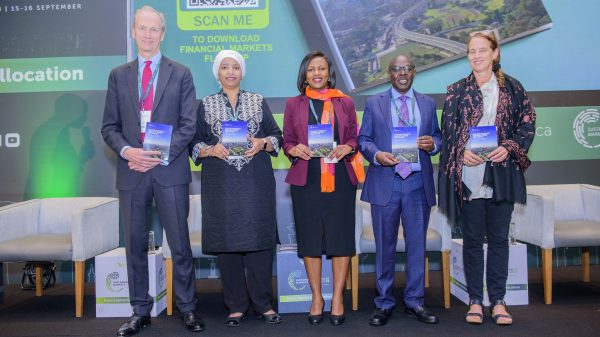
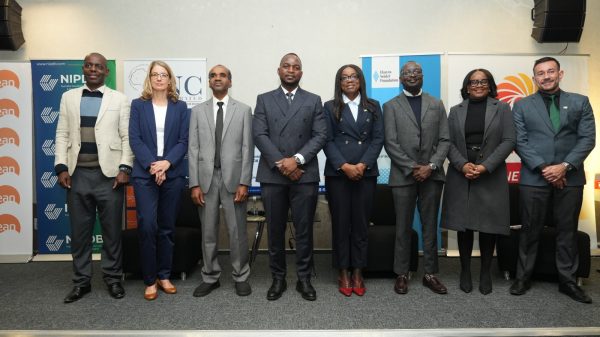
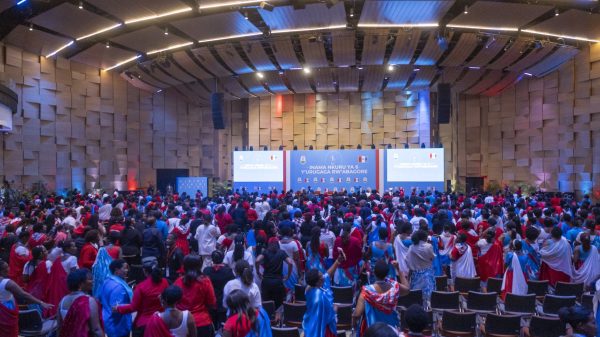
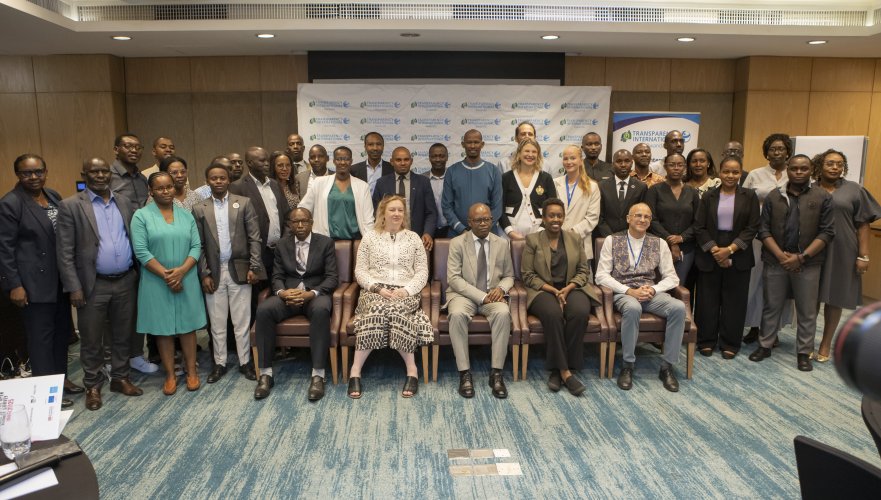
Kigali, 14 August 2026 – Rwanda has made progress in budget transparency, public participation and budget oversight, according to the International Budget Partnership’s Open Budget Survey (OBS) 2025, launched today by Transparency International Rwanda (TI-Rwanda) during the National Dialogue on Budget Transparency.
The Open Budget Survey is the world’s only independent, comparative and regular assessment of budget transparency, public participation and oversight. The 2025 edition assessed 82 countries and examines three key dimensions of public budget accountability : access to and comprehensiveness of budget information, opportunities for public participation throughout the budget cycle, and oversight by legislatures and supreme audit institutions.
Rwanda’s overall budget transparency score increased to 55/100, up from 50/100 in 2023 and 45/100 in 2021. While this represents continued progress, Rwanda remains below the 61/100 threshold that the OBS considers sufficient for providing the public with meaningful and comprehensive fiscal information to support informed public debate.
Rwanda also recorded notable gains in public participation and budget oversight. The public participation score increased from 16/100 in 2023 to 26/100 in 2025, representing the largest single-round improvement Rwanda has recorded on this pillar. However, public participation remains the weakest pillar.
The country’s overall budget oversight score increased from 56/100 to 61/100. Within this score, legislative oversight improved from 44/100 to 47/100, while audit oversight increased substantially from 78/100 to 89/100, making audit oversight one of Rwanda’s strongest areas of improvement.
Despite these gains, the findings point to persistent challenges in the timely publication, completeness and accessibility of budget information. Rwanda produces the key budget documents assessed by the OBS, but some are not published within the required timelines, while the quality and comprehensiveness of information vary across documents. The Year-End Report represents the most significant timeliness gap, with the FY2022/23 Consolidated Financial Statements published around 17 months after the end of the fiscal year, beyond the 12-month benchmark.
The assessment also highlights gaps in administrative procedures, documentation and disclosure practices. In particular, information on historical fiscal performance, fiscal risks, tax expenditures, public assets and other fiscal information is not always sufficiently consolidated or presented in an accessible manner. Participation processes also lack standardized requirements for prior information, documentation and public feedback. These gaps point primarily to challenges of implementation, coordination and administrative practice rather than to the absence of a legal and institutional framework.
“The improvement recorded in the OBS 2025 demonstrates that Rwanda has continued to strengthen its budget accountability systems. At the same time, the findings remind us that progress should go beyond producing budget documents to ensuring that information is published on time, is comprehensive and accessible, and that citizens have meaningful opportunities to participate and see how their contributions are considered. Strengthening these areas will be important for translating budget transparency into greater accountability and more responsive public services,” said Apollinaire Mupiganyi, Executive Director of Transparency International Rwanda (TI-Rwanda).
Meanwhile, Rwanda’s transparency improvements come against a backdrop of modest gains globally. In the Sub-Saharan African region, Rwanda ranks sixth with a score of 55/100 (South Africa and Benin rank first and second, with scores of 82/100 and 77/100, respectively). In East Africa, Rwanda ranks second, behind Kenya, which recorded 56/100.
The OBS 2025 assessed 82 countries, measuring budget transparency, public participation and budget oversight. Globally, the average scores were 47/100 for transparency, 18/100 for public participation, 45/100 for legislative oversight and 60/100 for audit oversight.
The global average for budget transparency increased by two points, from 45/100 in 2023 to 47/100 in 2025, while public participation increased from 14/100 to 18/100. Despite this improvement, public participation remains the weakest pillar globally, with many countries continuing to provide limited opportunities for citizens to engage in budget formulation, approval, implementation and audit processes.
Transparency helps the public understand the government’s budget priorities ; public participation mechanisms enable them to contribute to these priorities ; and formal oversight of the budget from the legislature guides and scrutinizes budget choices while audit institutions assess the legality, efficiency, and effectiveness of public spending.







Danielbix
August 25, 2026 at 08:07
Happy to be here and happy to join. I found this site not long ago and decided to register after seeing how much useful information is already shared. It’s nice to see a place where people are open about discussing their experiences and offering practical advice. I’m still new, but I’m liking reading through everything so far. I have lately been learning about this over the past little while.