



























































Rene Anthere Rwanyange
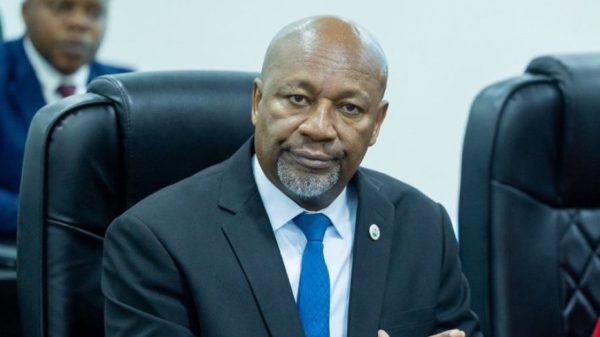
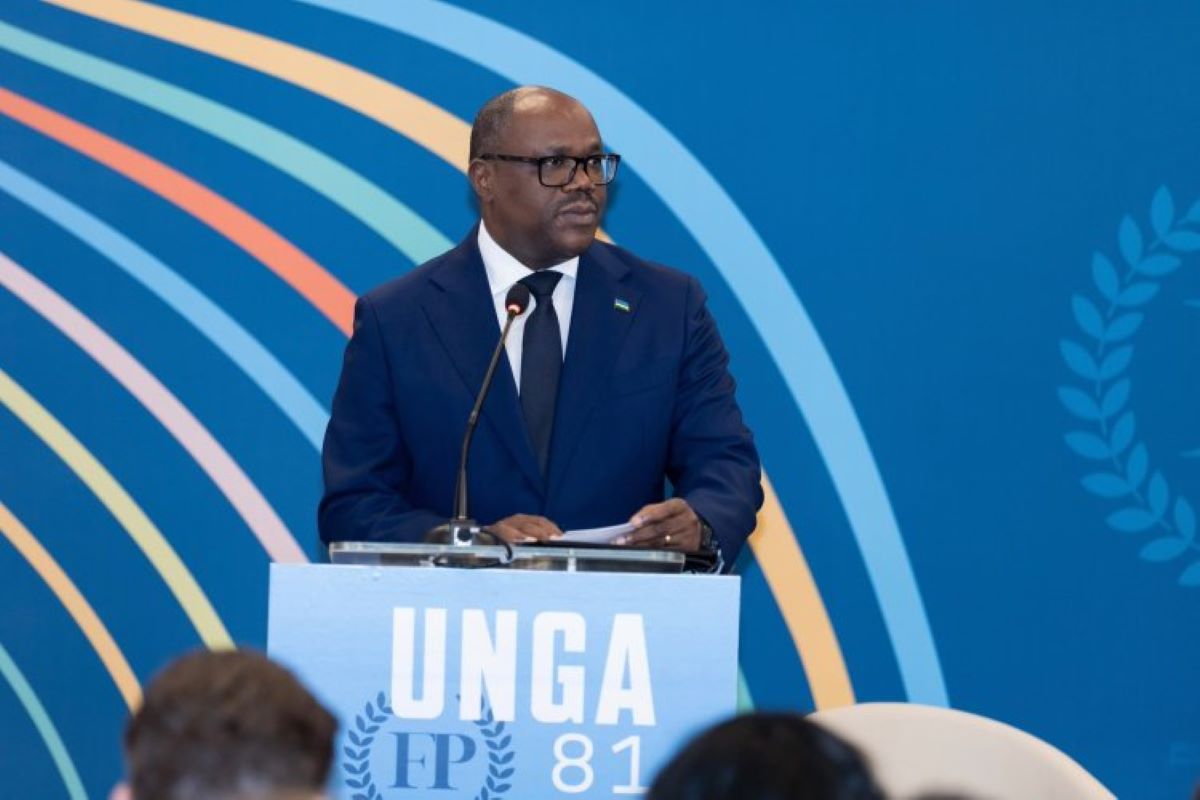
New York – Rwanda’s Prime Minister Dr. Justin Nsengiyumva calls for a political solution to the conflict in eastern Democratic Republic of Congo (DRC), arguing that decades of grievances, exclusion and governance failures cannot be resolved through military action alone.
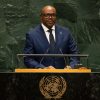
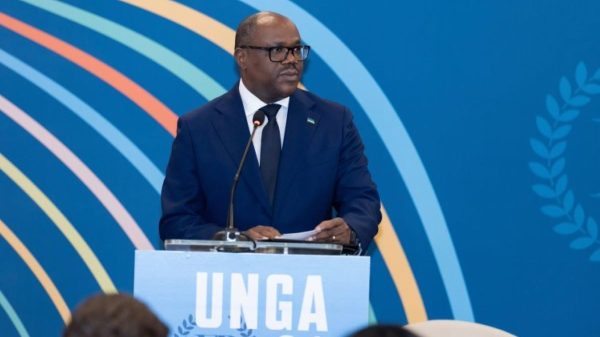
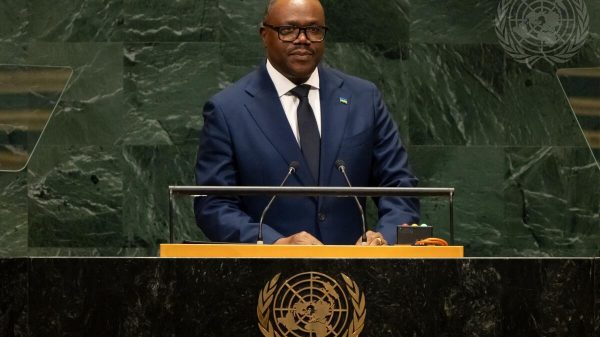
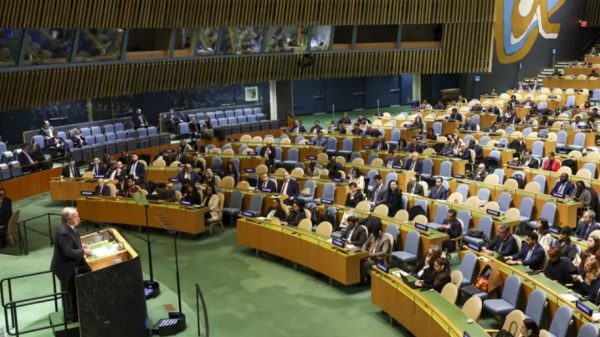
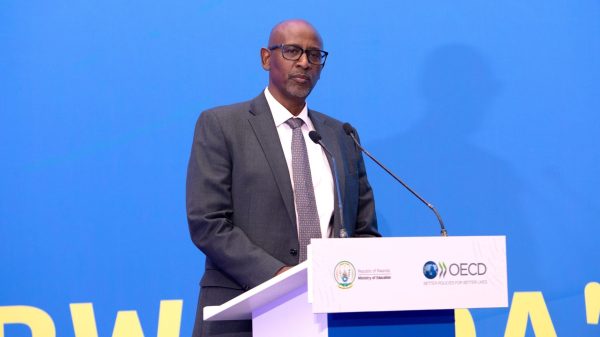
Addressing the 81st United Nations General Assembly (UNGA) in New York on September 23, 2026, Nsengiyumva says the international community should give greater support to diplomatic efforts aimed at addressing the roots of the conflict.
“The roots of the conflict in Eastern DRC are political, and they lie in longstanding grievances, exclusion, and failures of governance. The solution, too, therefore, must be political,” Nsengiyumva tells world leaders.
He says that the conflict had developed over many years and that a lasting settlement would require more than military responses. “No lasting peace can be achieved without addressing the root causes of conflict and taking into account the legitimate concerns of all those affected,” he says, according to reports of his address.
The Prime Minister, who represented President Paul Kagame at the UN General Assembly, urges the international community, including the UN Security Council, to support political and diplomatic initiatives already under way.
He highlights the Washington peace process between Rwanda and the DRC and the Doha process involving the DRC and AFC/M23 as important avenues for addressing the crisis.
Dr. Nsengiyumva calls on all parties to respect their commitments under the processes and urged international actors to support their implementation.
He also expresses appreciation to US President Donald Trump, Qatar’s Emir Sheikh Tamim bin Hamad Al Thani and Togo’s President Faure Gnassingbé, who is leading an African Union mediation effort, for their involvement in the peace initiatives.
The Prime Minister links the eastern DRC crisis to Rwanda’s security concerns, particularly the continued presence of the Democratic Forces for the Liberation of Rwanda (FDLR) in Eastern DRC.
He says that the group has operated in the region for more than three decades and accused it of spreading genocidal ideology, committing violence and posing a security threat to Rwanda, including through cross-border attacks. These are Rwanda’s stated allegations.
Dr. Nsengiyumva also raises concerns about what Rwanda describes as cooperation between the FDLR, Burundian forces and armed groups supported by authorities in Kinshasa. Those claims remain part of the wider dispute between Rwanda and the DRC over security and armed groups in the region.
The Prime Minister uses the eastern DRC crisis to make a broader argument about the role of the United Nations in preventing conflicts.
He says that the UN should move beyond responding to crises after they have erupted and put greater emphasis on prevention. “The United Nations has yet to demonstrate that it can adapt to a changing and uncertain world,” Nsengiyumva says, arguing that international institutions must demonstrate their relevance through results.
He says that the experience of Rwanda’s reconstruction over the past three decades showed the importance of institutions delivering tangible results. “What made that possible was a simple principle and conviction that institutions earn legitimacy not by what they promise, but by what they deliver, year after year,” he said.
The remarks come as diplomatic efforts continue to address the long-running conflict in eastern DRC, where the security situation has remained a major concern for the Great Lakes region.
For Rwanda, Dr. Nsengiyumva says that the objective should ultimately be a region in which neighbouring countries can live peacefully, trade and pursue development together.
He says that Rwanda remained committed to diplomatic efforts and called on international partners to ensure that peace initiatives address the underlying political and security concerns rather than focusing only on the symptoms of the conflict.
“The solution, too, therefore, must be political,” he reiterated, placing political dialogue and implementation of existing commitments at the centre of Rwanda’s approach to the eastern DRC crisis.