

























































































By Rene Anthere Rwanyange
Rwanda has recorded major gains in child survival, nutrition, early childhood development and poverty reduction over the past four decades, but stunting and children living on the streets remain among the challenges facing the country as UNICEF marks 40 years of work in Rwanda.
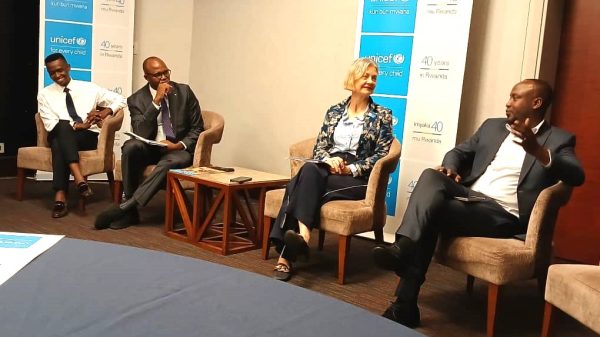
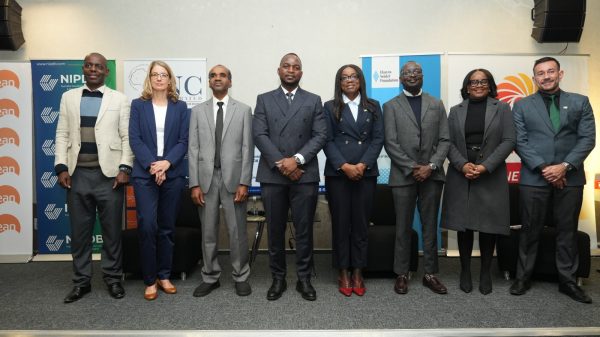
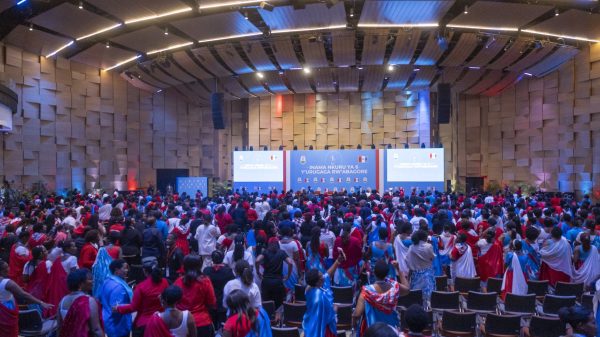
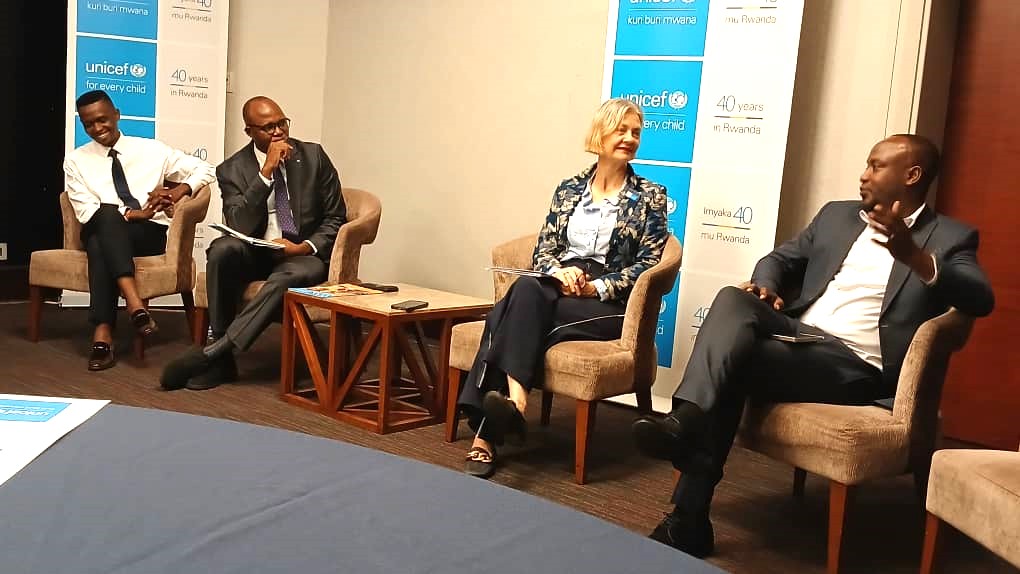
The progress and unfinished agenda were highlighted on Friday, September 18, 2026, during a UNICEF Rwanda media dialogue in Kigali, under the theme “40 Years for Every Child: The Media’s Role in Shaping the Next Chapter for Children in Rwanda.”
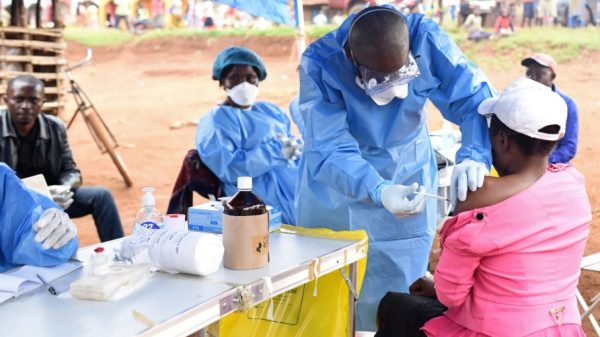
One of the biggest changes has been in child survival. Under-five mortality has fallen from 175.6 deaths per 1,000 live births in 1992 to 36 per 1,000 today, reflecting major improvements in healthcare, vaccination and other child-survival interventions.
Dominic Muntanga, Deputy Representative Programmes for UNICEF Rwanda, said that the progress was achieved through combined efforts by the Government of Rwanda, UNICEF and other partners.
But he said that survival is only the beginning, with the focus and now shifting to ensuring children grow, develop and reach their full potential.
Child stunting has also declined significantly, falling from 48% in 2000 to 27% today. Muntanga said that stunting remains a major concern because its causes extend beyond health to nutrition, poverty, maternal health, household behaviour, water and sanitation and other social and economic conditions.
“We’re not addressing it just as a health issue,” he said, explaining that UNICEF is combining health interventions with nutrition and social and behavioural change.
The country has also expanded access to early childhood development. ECD enrolment increased from 297,021 children in 2020 to 1,165,384 in 2025, highlighting the growing emphasis on children’s development in the early years.
Muntanga said that UNICEF has invested more than US$60 million in early childhood development over several decades, helping leverage more than US$150 million in additional investment.
He described ECD as an important investment because it supports children through nutrition, early stimulation and protection while also giving parents, particularly mothers, greater opportunities to pursue education and economic activities.
Rwanda has also made progress in reducing multidimensional child poverty. Among children aged 5–14, the rate fell from 44% in 2010 to 25.3% in 2016/17 and to 11.9% today.
The figures point to improvements beyond household income, reflecting gains in areas such as access to basic services and other conditions affecting children’s wellbeing.
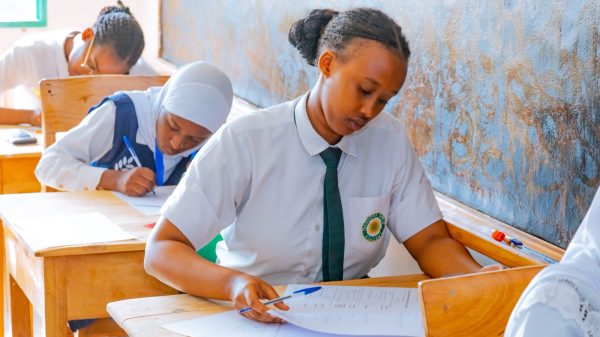
Education has similarly expanded. Muntanga said that the primary net attendance rate increased from 47.5% in 1992 to more than 93%.
However, children with disabilities continue to face barriers to education and other services. UNICEF has supported early identification, referrals, assistive devices and accessibility in schools. Muntanga said that about 32,000 children with disabilities are now attending school but acknowledged that more needs to be done.
UNICEF Representative in Rwanda, Lieke van de Wiel, said that the organisation has continually adapted its priorities as Rwanda’s needs have changed. Today, the child-rights agenda increasingly includes issues such as online safety alongside health, education, protection and poverty.
Dan Ngabonziza, Chairperson of the Rwanda Journalists Association (ARJ), called for stronger involvement of families, communities, government, civil society and the media in protecting children’s rights.
He urged journalists to give children a greater voice in programmes and discussions about issues affecting their lives.
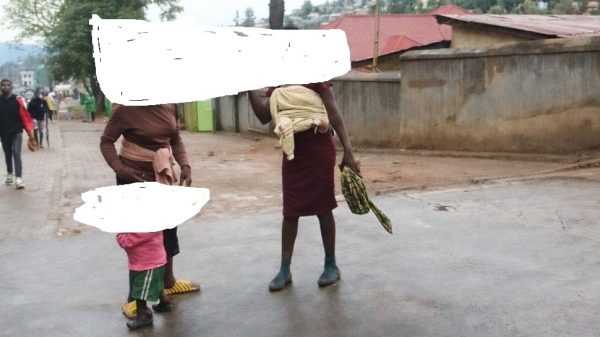
As UNICEF celebrates 40 years in Rwanda, the figures show substantial progress, but they also point to work that remains. Stunting, children living on the streets, disability exclusion and other forms of vulnerability continue to require sustained attention.
The next chapter will require continued investment in children from pregnancy through adolescence, with stronger action from government, communities, civil society, the private sector and the media.