






























































































































Written by Malliavin Nzamurambaho
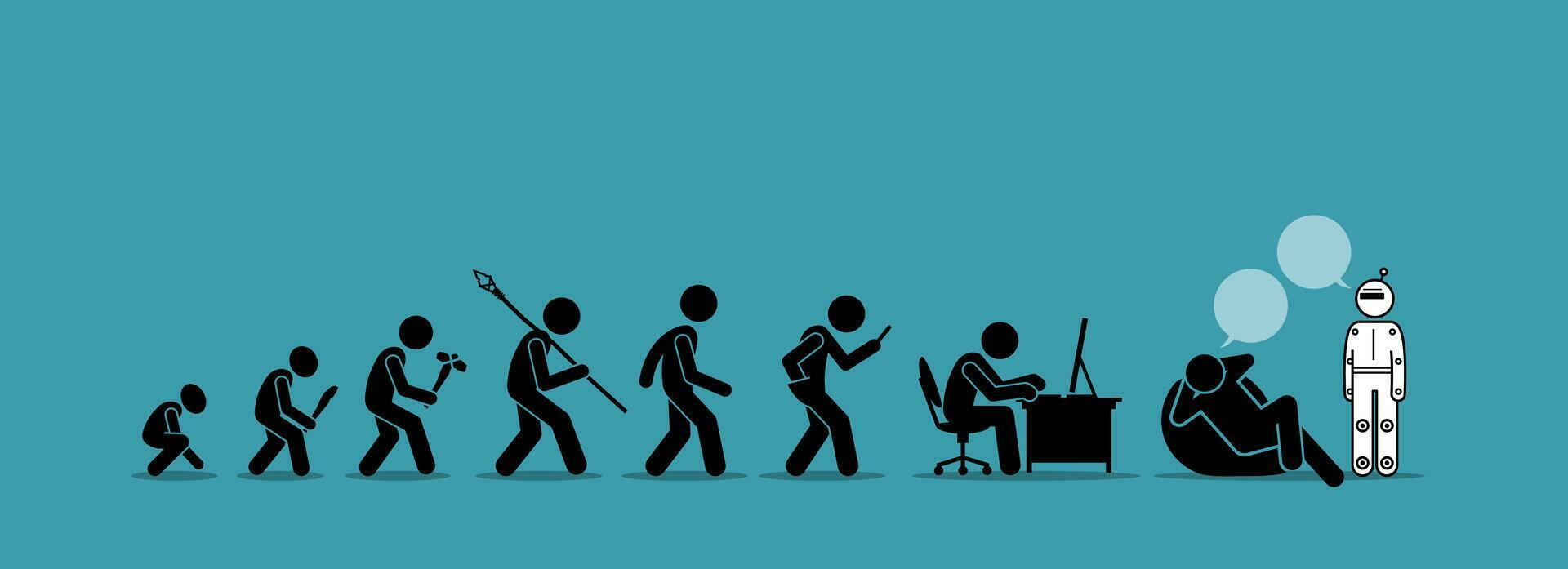
From the first sparks of fire struck between stones to the rise of machines capable of learning and thinking, human beings have remained the driving force behind every transformation in history. Every tool, invention, revolution and technological breakthrough began with human curiosity, creativity and the desire to survive, improve and explore.
The journey from the Stone Age to Artificial Intelligence is not only a story of technological evolution, but also a story of human imagination and resilience. Early humans shaped stones into weapons and tools to hunt and protect themselves. Centuries later, societies built civilizations, discovered science, crossed oceans, and eventually created computers capable of processing information at unimaginable speed.
Today, Artificial Intelligence stands as one of humanity’s greatest achievements, transforming industries, communication, healthcare and daily life. Yet behind every algorithm, machine and innovation lies the human mind – the original creator, thinker and decision-maker. This story explores how human beings have remained at the center of progress throughout history, shaping the world from primitive survival to the digital age.
Life in the stone age
Long before the rise of modern cities, electricity, governments, industries, or digital technology, human beings lived in caves, forests, mountains, and open lands. During the stone age, survival was the foundation of existence. Humanity depended entirely on nature for food, water, shelter, medicine, and protection. Life was harsh, uncertain, and dangerous, yet deeply connected to the environment.
Men hunted wild animals using stones, wooden spears, and primitive tools, while women gathered fruits, roots, herbs, and seeds. Families and clans lived together because unity was necessary for survival against hunger, wild animals, disease, and extreme weather conditions. At that time, there were no schools, hospitals, churches, borders, police, or written constitutions. Human communication was simple, relying on sounds, gestures, storytelling, and drawings on rocks.
Knowledge was transferred orally from one generation to another. Elders taught children how to hunt, gather food, make tools, recognize danger, and respect nature. Fire became one of humanity’s greatest discoveries because it provided warmth, protection, light, and the ability to cook food.
Although life was difficult, people lived with strong community values. Sharing, cooperation, collective responsibility, and respect for elders were central to society. Human beings depended on one another more than on material possessions. In many ways, the stone age revealed humanity in its purest form: vulnerable, dependent on nature, yet united by survival.
Who is behind everything?
Human beings are behind every civilization, invention, religion, political system, scientific discovery, war, and social transformation in history. From the earliest hunter to the modern engineer, every change in the world has been shaped by human thought, ambition, creativity, fear, and desire.
Human beings created agriculture, kingdoms, trade routes, languages, medicine, electricity, airplanes, computers, and Artificial Intelligence. At the same time, humans also created slavery, colonization, corruption, nuclear weapons, and wars. Humanity has therefore always carried two opposing forces: the power to build and the power to destroy.
Throughout generations, leaders, philosophers, scientists, religious figures, and ordinary citizens have influenced the direction of society. Kings built empires, religious leaders spread faith and moral teachings, inventors transformed economies through technology, and political leaders created systems of governance. Yet greed, pride, inequality, and the struggle for power also caused suffering across nations and generations. Human beings remain the center of both progress and crisis.
What changed through civilization?
Civilization transformed the structure of human life completely. As agriculture developed, people moved from hunting and gathering to permanent settlement. Villages became towns, and towns evolved into cities. Trade expanded across regions, written languages appeared, laws were established, and organized governments emerged.
Human society became more advanced through architecture, transportation, education, and scientific knowledge. Religion also played a major role in shaping civilization. The arrival of churches, mosques, and other religious institutions influenced morality, leadership, education, and culture. Christianity, Islam, and traditional African beliefs shaped family structures, social behavior, and governance systems in different parts of the world.
Religious institutions introduced schools, literacy, healthcare, and social services in many societies. However, religion was sometimes also used to justify domination and control during periods of colonization.
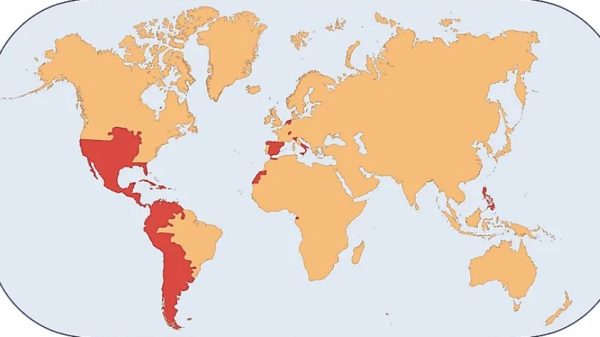
The age of colonialism changed the global balance of power. European nations entered Africa, Asia, and Latin America seeking land, labor, minerals, and economic control. Colonial systems imposed foreign languages, borders, political institutions, and economic structures on indigenous societies. African traditional leadership systems, local industries, and cultural identities were weakened or replaced.
The industrial revolution further transformed society through factories, machines, railways, and electricity. Production increased, cities expanded rapidly, and economies became more interconnected. However, industrialization also created exploitation, environmental destruction, and social inequality.
Later, the cold war divided the world into competing political and economic ideologies. Capitalism and communism shaped international relations, military alliances, and development policies. Many African countries became politically unstable due to foreign influence, proxy conflicts, and economic dependency even after gaining independence.
When did the most significant transformations in human history occur?
Human history can be understood through three major transformative periods that shaped the evolution of societies, civilizations, and the modern world.
- The ancient and pre-colonial era
This period was characterized by traditional civilizations, kingdoms, cultural identity, and community-centered living. African societies before colonialism had organized governance systems, agriculture, trade networks, traditional justice systems, and strong family structures.
Communities valued solidarity, oral history, traditional medicine, spirituality, and respect for elders. Leadership was often closely connected to cultural identity and collective responsibility. Although challenges existed, many societies lived in relative harmony with nature and community values.
- The colonial and industrial era
This era introduced foreign political control, industrialization, missionary education, and global trade expansion. Railways, hospitals, churches, and modern schools were established in many colonies. However, colonialism also resulted in exploitation of natural resources, forced labor, cultural destruction, and economic dependency.
Many African nations lost control over their political systems and economies. Colonial borders divided ethnic communities and created tensions that continue to affect many countries today. At the same time, industrial development transformed Europe and North America into global economic powers through science, manufacturing, and technological advancement.
- The modern technological era
Today’s world is defined by globalization, electricity, digital communication, Artificial Intelligence, robotics, biotechnology, and social media. Human beings can communicate instantly across continents, travel rapidly, and access massive amounts of information. Technology has transformed education, healthcare, agriculture, finance, and business. Artificial Intelligence is now changing how people work, learn, and interact. However, modern society also faces serious challenges including cybercrime, misinformation, unemployment, mental health problems, cultural erosion, and digital dependency. The modern era has created convenience but also new forms of isolation and inequality.
Where have these changes impacted humanity most? The impact of civilization has varied across regions and continents. Europe and North America gained industrial and technological dominance through early industrialization and global economic influence. Asia later emerged as a major force through rapid industrial and technological growth, particularly in countries such as China, Japan, South Korea, and India.
Africa experienced both opportunity and disruption. Before colonialism, many African societies were economically active, culturally rich, and socially organized. After colonialism, many nations struggled with weak institutions, corruption, poverty, political instability, and dependence on external powers.
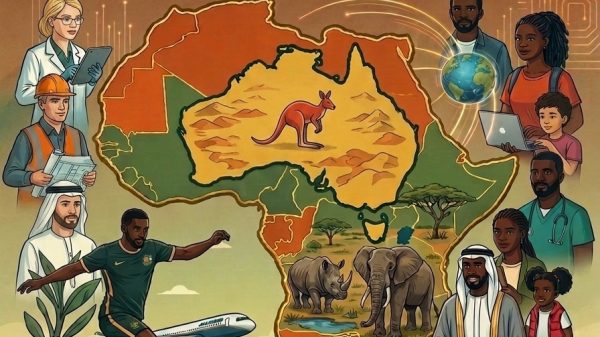
Despite these challenges, Africa possesses enormous opportunities: A young and energetic, population. Vast agricultural potential, rich natural resources, expanding digital innovation, renewable energy opportunities, strong cultural heritage. However, Africa also faces serious weaknesses and threats like poor infrastructure, limited industrialization, youth unemployment, political instability, corruption, climate change, economic dependency, and global inequality. The future of Africa depends largely on leadership, education, innovation, and responsible governance.
Why is humanity facing so many problems today?
Despite technological advancement and economic growth, humanity is experiencing moral, social, and psychological crises.
Technology has connected the world digitally but disconnected many people emotionally. Families spend less time together while social media increasingly shapes identity, behavior, and communication. Material success is often valued more than integrity, wisdom, compassion, and community.
Wars continue because of power struggles, religion, resources, economic interests, and geopolitical competition. While governments speak about democracy, justice, and human rights, corruption, inequality, discrimination, and abuse of power remain widespread.
Education systems have expanded globally, yet many focus more on academic certificates than practical skills, ethics, creativity, and critical thinking. Artificial Intelligence is improving efficiency and innovation, but it also raises concerns about job displacement, misinformation, surveillance, and loss of human interaction.
Family structures are changing rapidly. Divorce, loneliness, substance abuse, depression, and social isolation are increasing in many societies. Traditional cultural values are weakening while abnormal social behaviors and moral confusion continue to grow.
Economic pressure, unemployment, inflation, and unequal wealth distribution have also created frustration among millions of people worldwide. Humanity today possesses more knowledge than ever before, yet often struggles with wisdom and responsibility.
How can humanity build a better future?
The future of humanity depends on balancing development with human values. Technology should serve humanity instead of replacing human dignity. Artificial Intelligence, electricity, and scientific innovation must be used responsibly to improve healthcare, agriculture, education, infrastructure, and economic inclusion.
Leadership must become ethical, transparent, accountable, and people-centered. Justice systems should protect equality and human rights rather than political or economic interests. Families must rebuild communication, discipline, respect, and moral education. Communities should preserve cultural identity while embracing positive modernization and innovation.
Africa has a unique opportunity to combine traditional wisdom with modern development. By investing in education, entrepreneurship, agriculture, industrialization, science, and good governance, African nations can become major contributors to global progress.
Human beings must also understand that peace, cooperation, and environmental protection are essential for survival. Climate change, war, poverty, pandemics, and inequality cannot be solved by one nation alone. Global collaboration is necessary. Most importantly, humanity must remember that development without morality becomes destruction.
Humanity at the center of history
From the Stone Age to the age of Artificial Intelligence, human beings have remained at the center of every transformation in history. Humanity has moved from caves to skyscrapers, from fire to electricity, from oral storytelling to digital networks, and from primitive tools to intelligent machines.
Yet despite all scientific and technological progress, the greatest challenge facing the world today is still humanity itself. Civilization has brought development, but also division. Religion has inspired hope, but sometimes conflict. Technology has improved life, but also created isolation and dependency. Democracy promises freedom, yet justice often remains unequal.
The future of the world will not depend only on machines, wealth, or military power. It will depend on wisdom, ethics, leadership, compassion, unity, and responsibility. If humanity forgets its moral values, progress may become destruction. But if people combine innovation with humanity, justice with leadership, and knowledge with wisdom, the world can still become a better place for future generations. In the end, behind every success, every failure, every war, every civilization, and every revolution, there is always one central force: the human being.
End.