By Rene Anthere Rwanyange
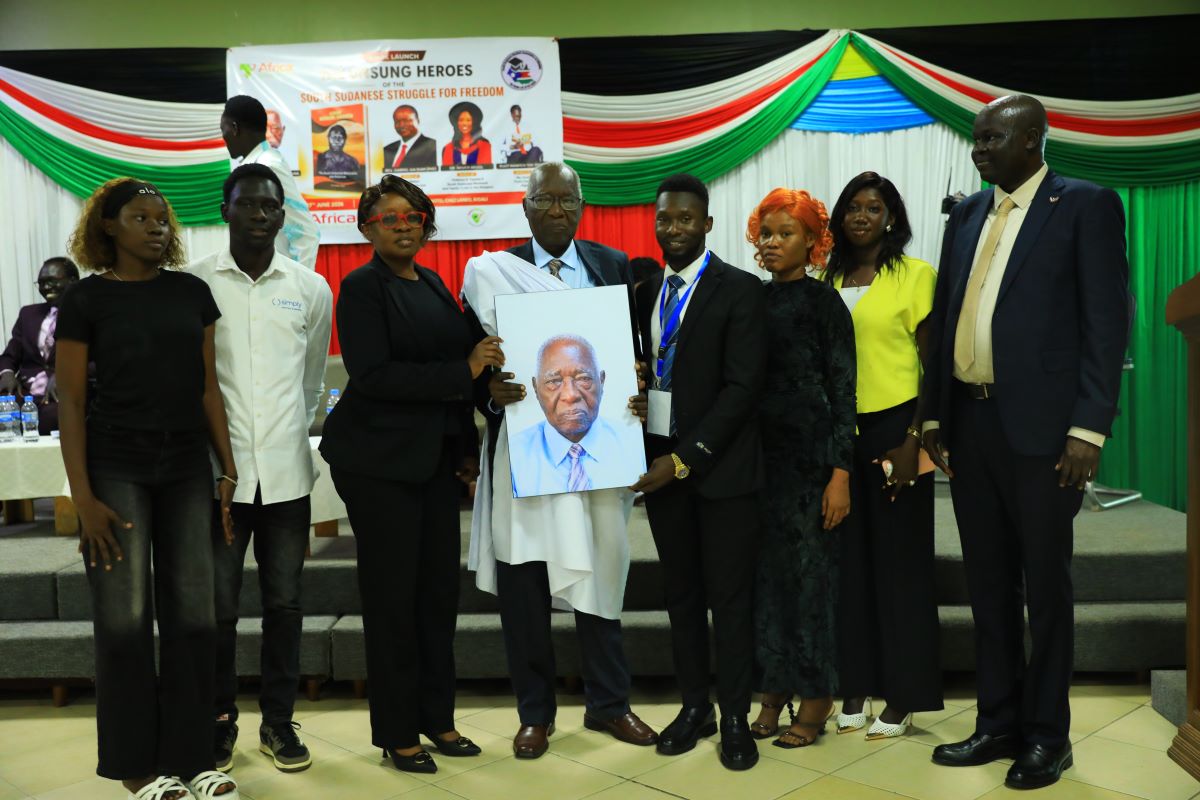
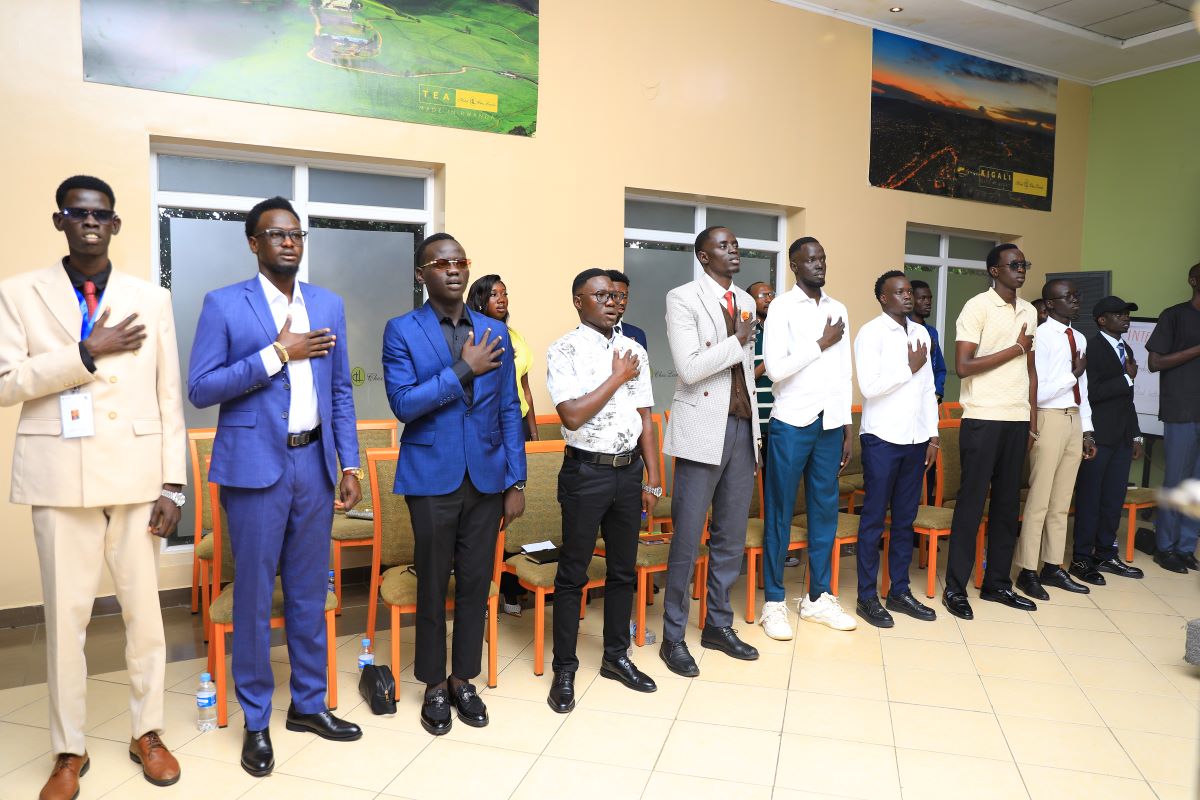
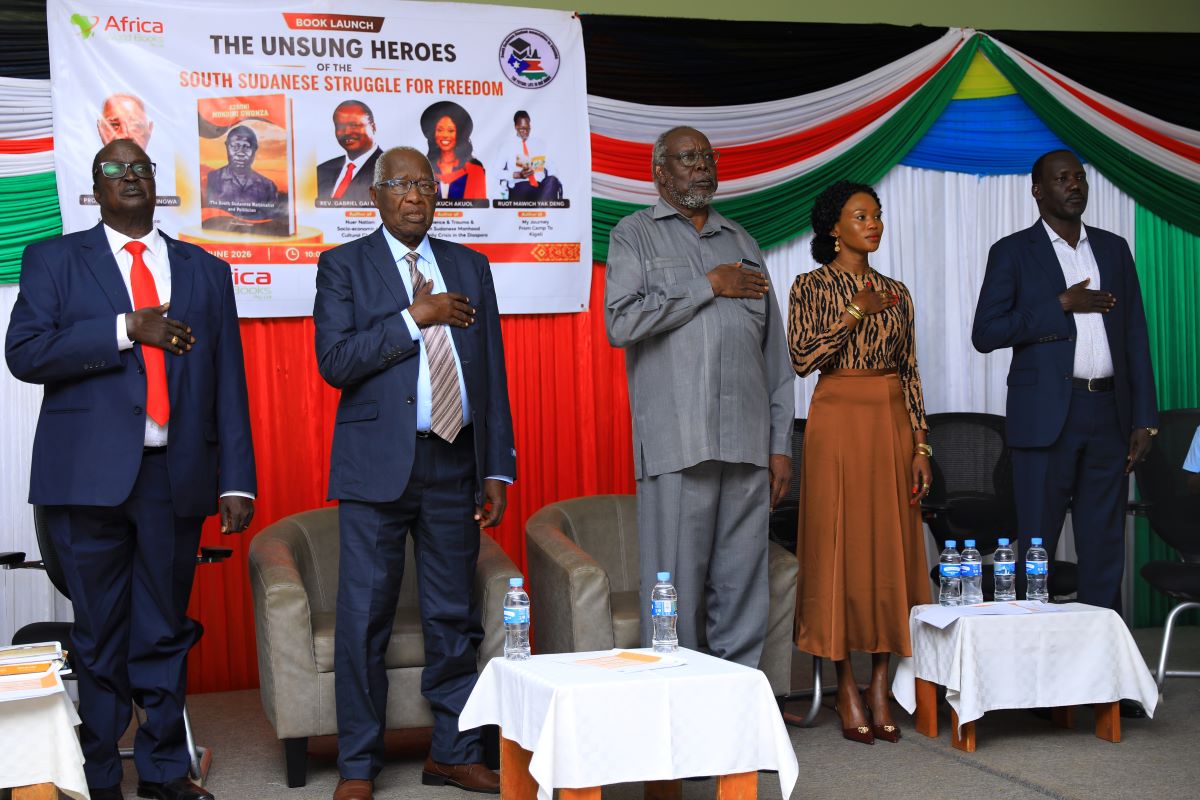
What began as the launch of the new books evolved into a vibrant celebration of South Sudanese literature, culture, and identity, as writers, academics, students, and community members gathered in Kigali on June 27th, 2026, to explore the transformative power of storytelling.
Organised by Africa World Books, the event showcased not only the work of South Sudanese authors but also the role literature can play in preserving culture, promoting education, healing communities, and inspiring future generations. Throughout the day, speakers urged young Africans to embrace reading and writing as powerful tools for personal growth and nation-building.
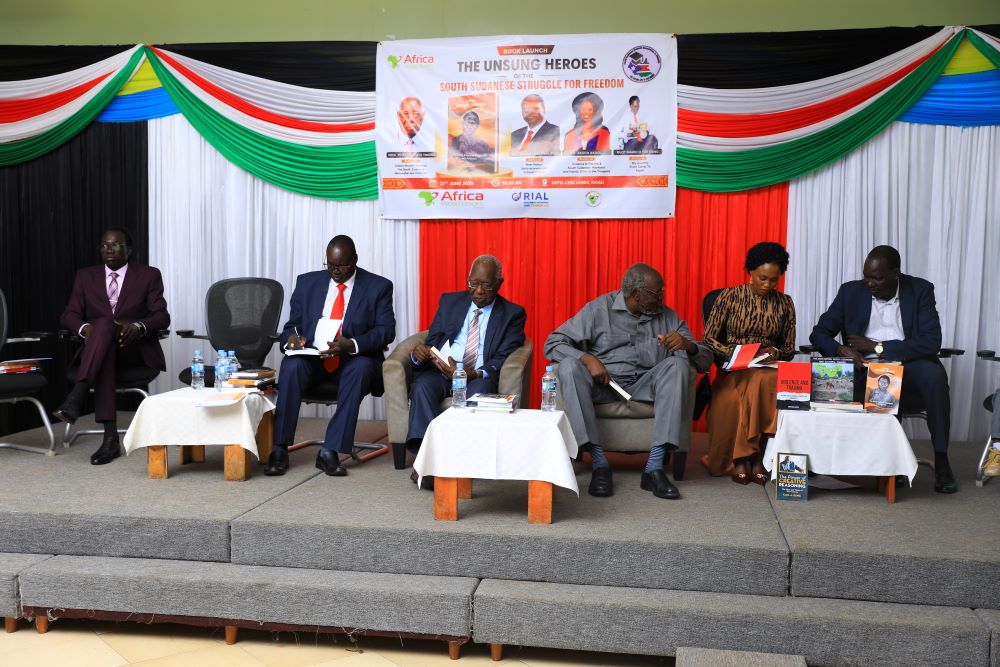
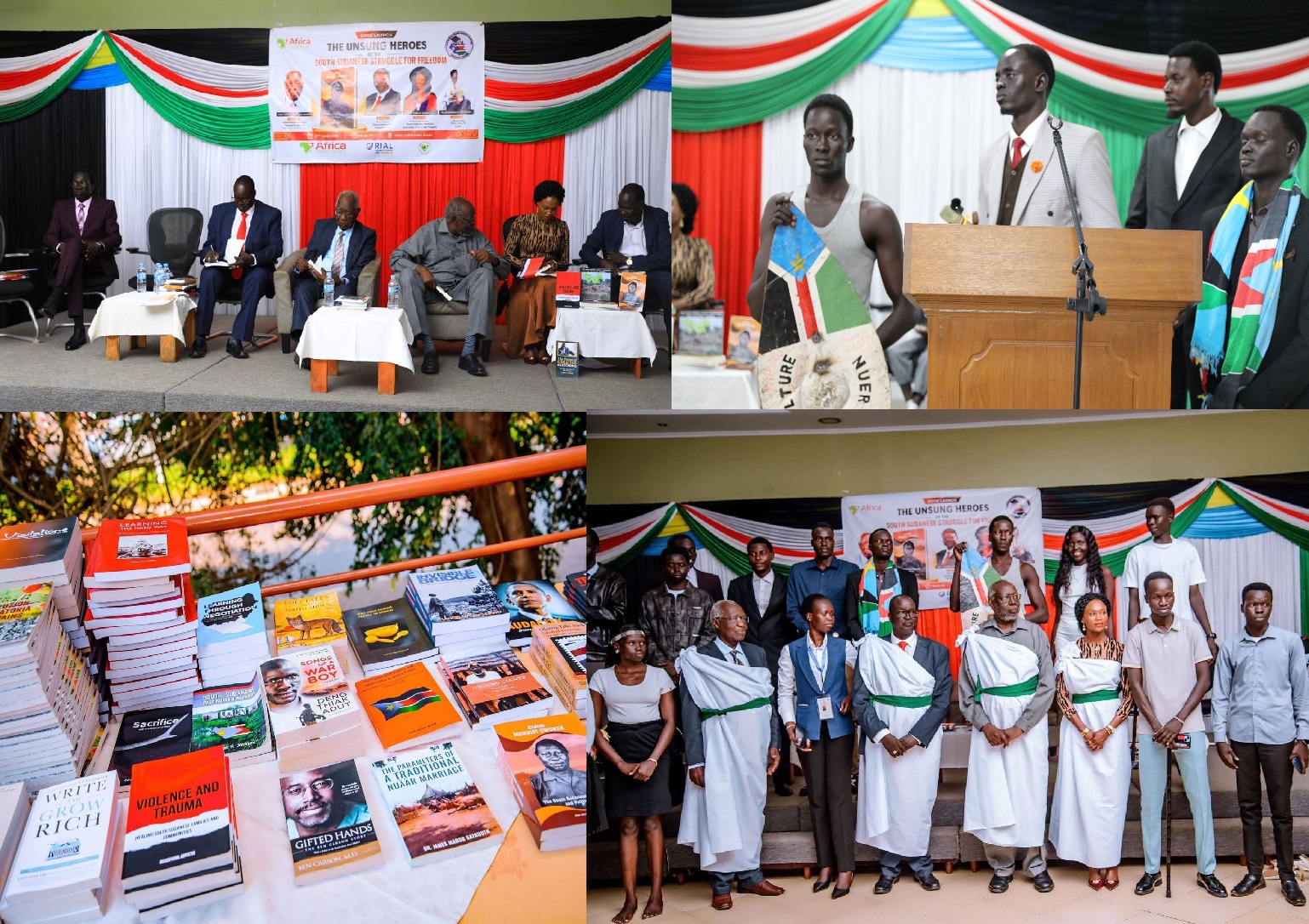
The launched books including by the different authors like Rev. Dr. Gabriel Gai Riam, the author of “The Nuer nation: Socio-Economic and Culture Change”; Dr. Akuch Kuol Anyieth, the author of “Violence and Trauma – Healing South Sudanese families and communities”; and Prof. Peter Obadayo Tingwa, the author of “Ezboni Mondiri Gwonza – The south Sudanese nationalist and Politician”.
The gathering was led by Peter Deng, popularly known as Lualplus, an Australia-based publisher and founder of Africa World Books, Africa World Books Community Education Inc. (AWBCE Link), Rial Investment Enterprise, and the Africa World Books Store. Currently based in Kigali, Deng has dedicated his career to amplifying African voices, particularly those of South Sudanese writers living both on the continent and in the diaspora.
Addressing participants, Deng paid tribute to the individuals and institutions whose support made the initiative possible.
“I would like to acknowledge Counsel Lual Leek Deng, Hon. Angok Kuien Chol, Deng Garang Mamer, and the Australian team led by Brooke Clarke, Abby Thorp, and Jade Green for their unwavering support of this vision,” he said.
He noted that nearly 90 percent of the support for the initiative came from these individuals and teams in Australia, describing their contribution as instrumental in bringing African stories to international audiences.
Founded with the vision of empowering African authors, Africa World Books has grown into more than a publishing house. It serves as a community platform offering professional editing, book design, printing, marketing, distribution, manuscript evaluation, workshops, literary conferences, and networking opportunities for aspiring and established writers.
The organisation’s broader mission is to preserve African history and heritage by promoting African literature, educating diaspora communities about their roots, and fostering greater appreciation of African cultures among wider international audiences.
Deng’s commitment to preserving African narratives has received international recognition. In 2020, SBS News profiled his journey from South Sudan to Australia, highlighting his efforts to publish books in African languages, including Dinka, and to ensure that stories from the continent are documented and shared with future generations.
Beyond the formal book launch, the event became an open conversation about the importance of literature in addressing social challenges and strengthening communities.
Among those reflecting on the day’s significance was Franck David, who described the gathering as an experience that extended far beyond the unveiling of a book.
“Yesterday was more than just a book launch,” he said. “Young people learned about South Sudanese literature, the importance of authors, the power of writing, and how communication can strengthen communities. We discussed networking, community engagement, healing from traumatic experiences, and discovered stories that many of us had never encountered before.”
According to him, literature has the unique ability to inspire hope and broaden perspectives. “When you feel discouraged, read a book. When you feel depressed, read a book,” he said. “Every page opens a new chapter that can change the way we think and understand the world around us.”
He also thanked the organising committee for recognising community participation and commended Africa World Books for providing South Sudanese authors with an international platform.
“It was an honour listening to inspiring voices like Dr. Akuch Akuol,” he added. “She is living proof that educating a girl child is equivalent to educating an entire nation. Through her scholarship and public engagement, she continues to inspire countless people.”
Throughout the discussions, speakers repeatedly challenged the misconception that Africans do not read enough. They encouraged participants—especially young people—to cultivate a reading culture capable of producing informed citizens and stronger societies.
One speaker echoed the well-known saying, “If you want to hide something from Africans, hide it in a book,” before urging the audience to reject that stereotype by making reading a lifelong habit.
“Books expand knowledge, sharpen critical thinking, and preserve our history,” participants heard. “The responsibility of telling African stories belongs to Africans themselves.”
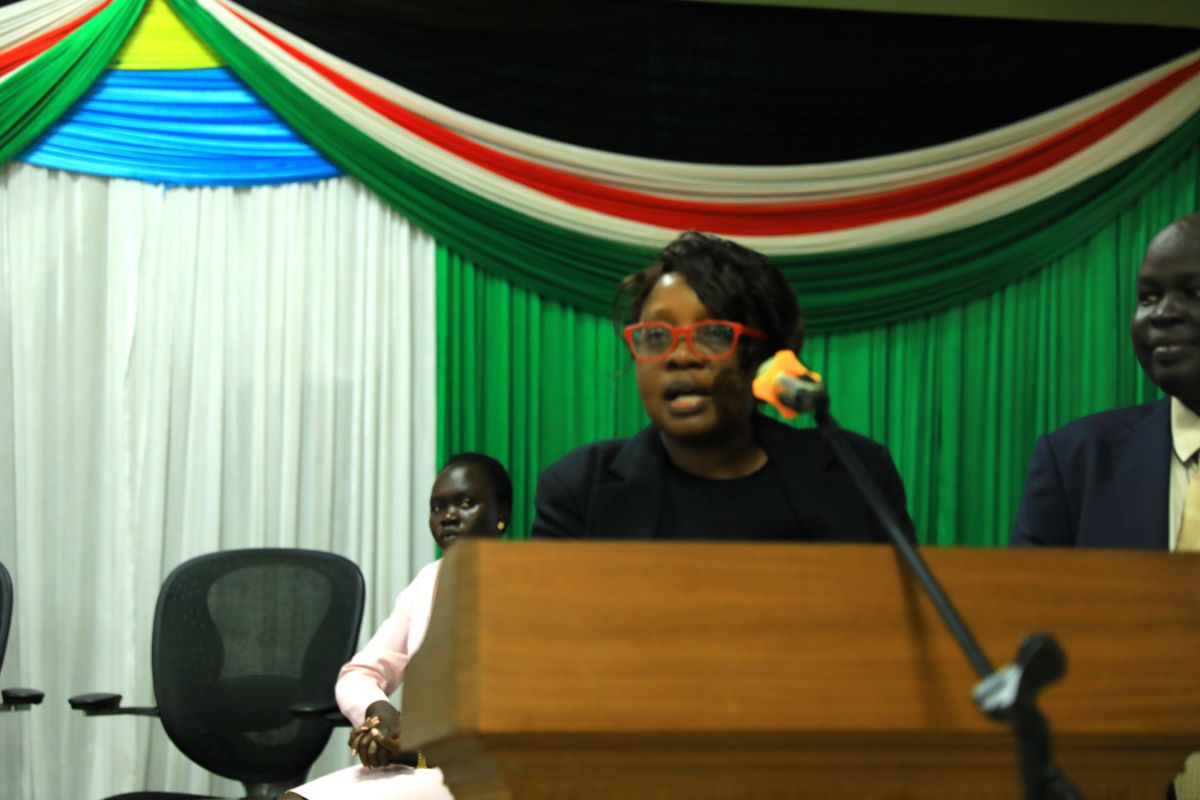
Among the distinguished guest were Dr. Lual Achuek Deng, the founder and Managing Director of the Ebony Center for Strategic Studies, and a former minister of petroleum for Sudan, and Eng. Manyuon Deng, Regional Power Programme Officer at the Nile Basin Initiative – Nile Equatorial Lakes Subsidiary Action program in Kigali an PhD candidate, gives a keynote speech on the role of books in nation building and citizen.
Dr. Lual A. Deng, also known as Lual Cuek-Majongthon and Eng. Jacob Manyuon Deng, served as distinguished special guests who delivered addresses at the event.
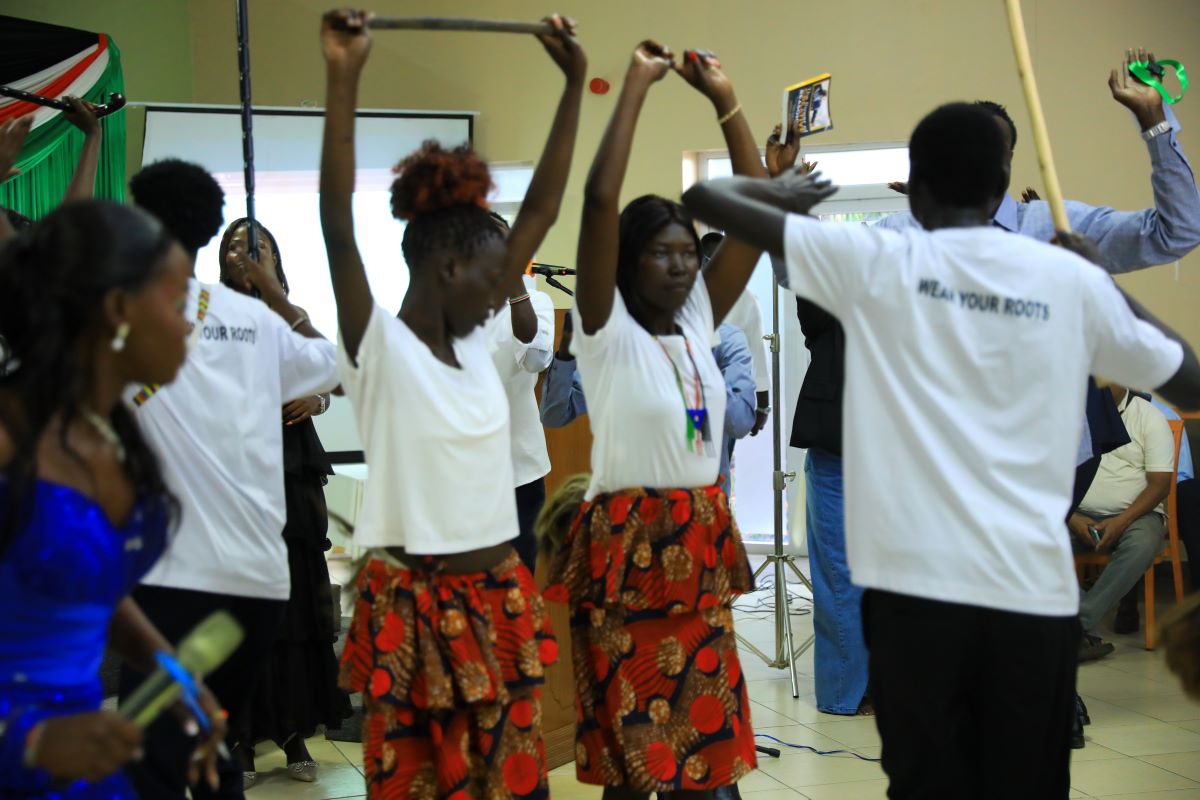
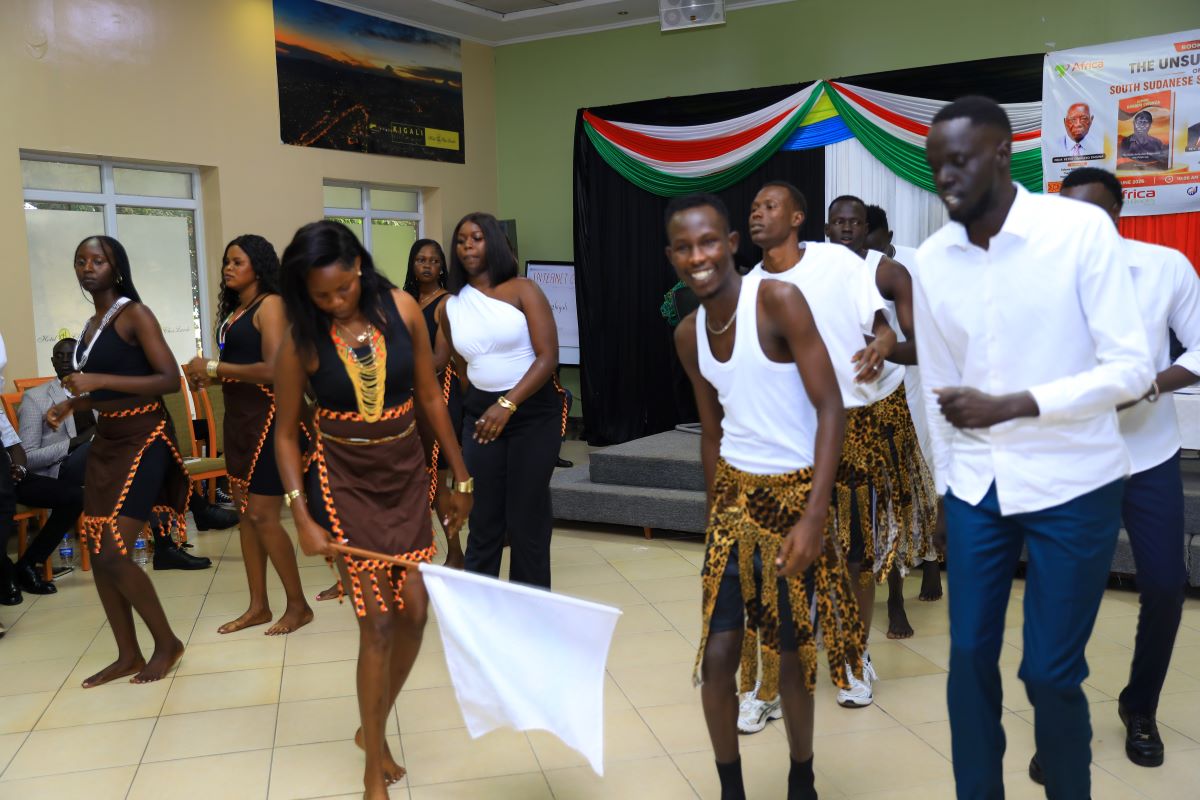
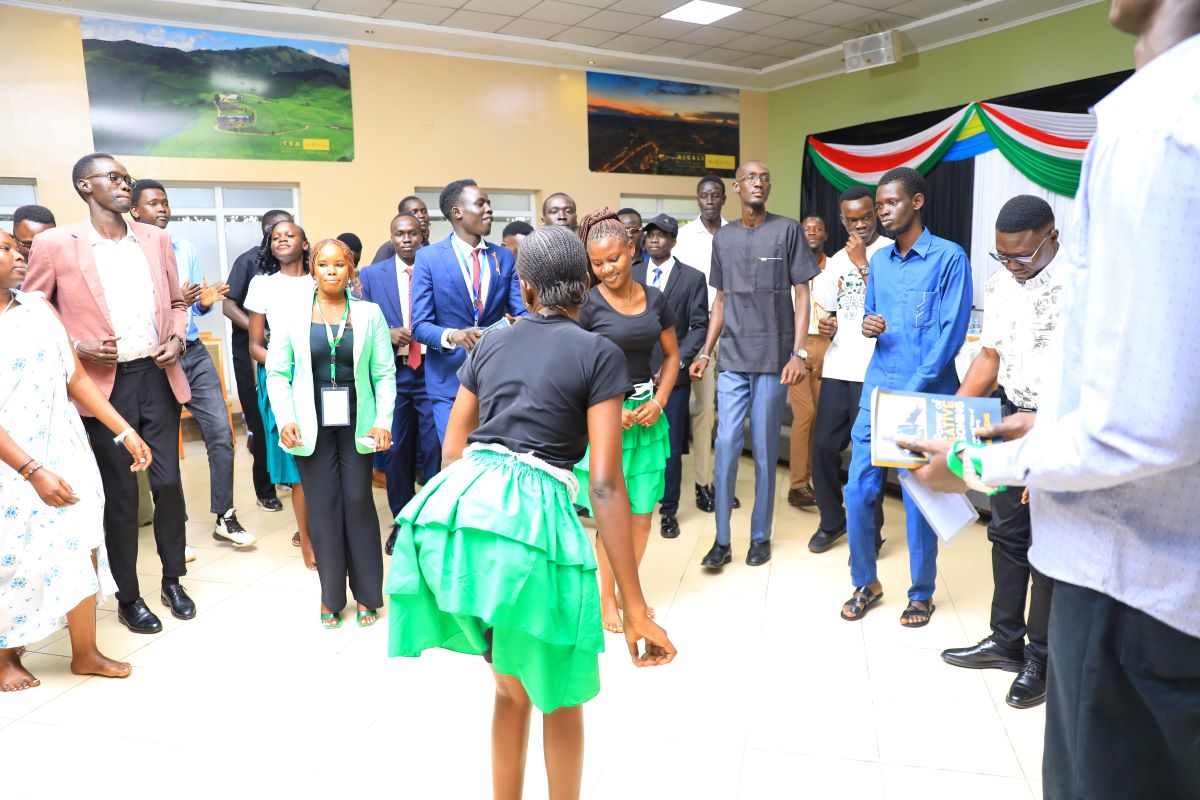
The event concluded with an impressive exhibition of South Sudanese traditional dances and music, bringing the country’s rich cultural heritage to life. Performers dressed in colourful traditional attire entertained guests with energetic dances and songs representing the diversity of South Sudan’s communities. The performances complemented the literary discussions, demonstrating that culture is preserved not only through written words but also through music, dance, language, and oral tradition.
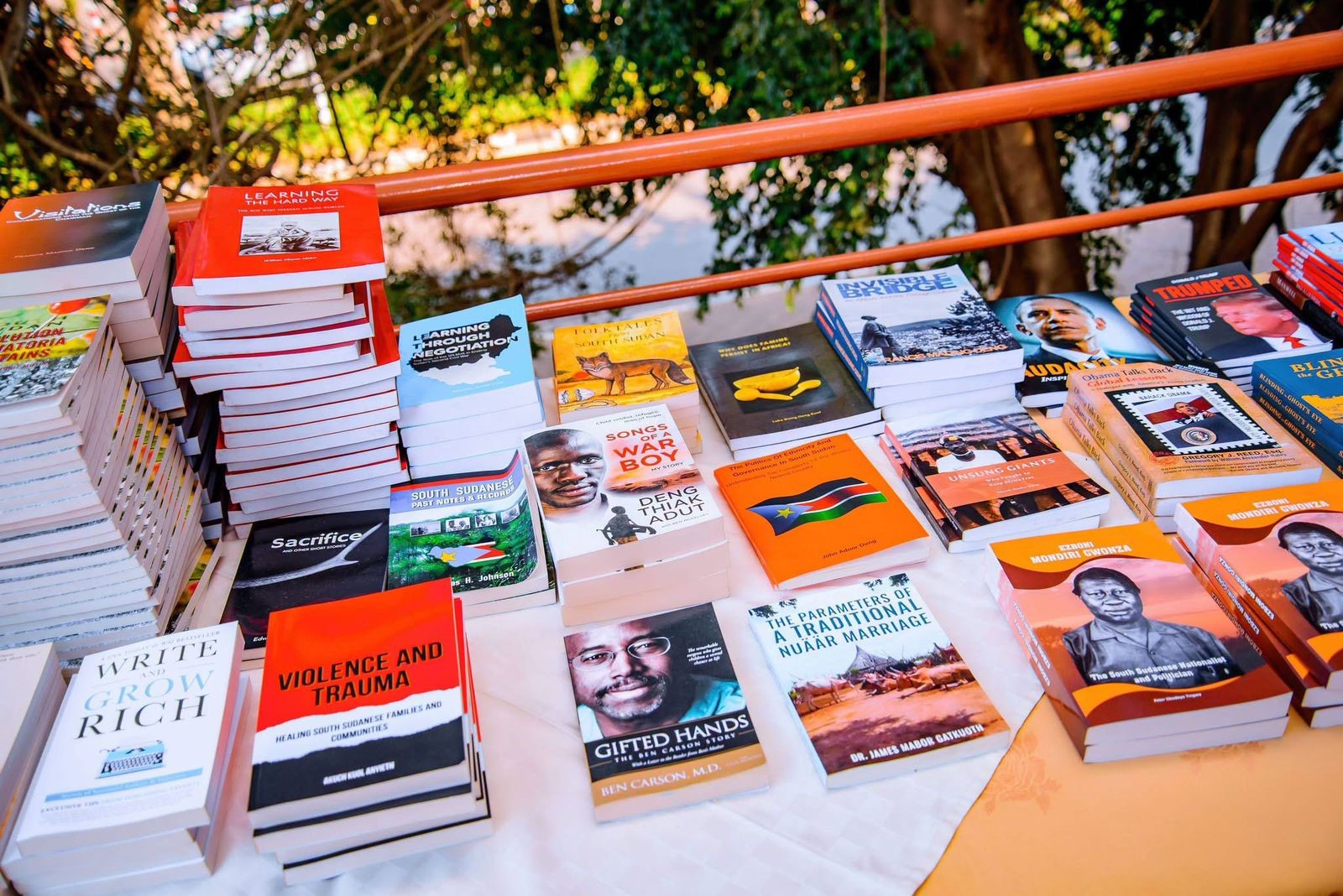
Guests also visited book displays featuring works by South Sudanese authors, exchanged ideas with writers, and networked with publishers and community leaders, reinforcing the collaborative spirit that defined the event.
As participants departed, many described the gathering as more than a literary occasion. It was a celebration of identity, resilience, and cultural pride, reaffirming that books remain powerful instruments for education, reconciliation, and social transformation.
For Africa World Books, the event marked another milestone in its mission to elevate African voices on the global stage. For those in attendance, it served as a reminder that preserving culture requires investing in literature, encouraging young writers, celebrating artistic traditions, and ensuring that Africa’s stories continue to be told by Africans for generations to come.
About the authors
Prof, Peter Obadayo Tingwa is formerly lecturer of the University of Khartoum and the Dean of the College of Natural Resources and Environmental Studies of the University of Juba. A veteran of four United Nations Peacekeeping Missions in Somalia, Liberia again. A self-taught amateur historian, especially of the political developments of Southern Sudan. He has written several articles and books on those developments.
This book is about Ezboni Mondiri Gwonza, one of the illustrious political leaders of Southern Sudanese struggle for freedom and ultimate independence. The book not only tells about the person of Ezboni, but an insight into the 55-year long struggle of the people of south Sudan for independence and freedom.
Dr. Akuch kuol Anyieth is a crime, Justice, and legal scholar. She has over a decade of experience in criminal justice, family violence practice, and trauma –informed research. Among her qualifications, Akuch holds a Bachelor of Legal Studies from La Trobe University, a Master of Justice and Criminology from RMIT University, a Second Master of Arts (researching family violence), a Doctor of Philosophy (PhD) in Law and Society from La Trobe University, a qualified Trauma-Informed Coach, and completed a yearlong governance and political training at the University of Melbourne, Australia.
Dr. Akuch kuol Anyieth is a Research Fellow at the Centre for the Study of the Afterlife of violence and Reparative Quest at the University of Stellenbosch, South Africa. She is also an adjunct assistant Professor at the University of Juba, South Sudan and an adjunct researcher at La Trobe University, Melbourne, Australia.
Rev. Dr. Gabriel Gai Riam, is the Author of book “The nuer nation, socio-Economic and Culture change”. He is a scholar who has lived thought three cultures: Indigenous African life, Arabs Sudan and the western Christian tradition. He went to formal school as an adult after spending most of his childhood practicing his native nuer Culture, observing norms and traditions, looking after livestock. He progressed to higher levels of education one could cherish in life.
His experiences have involved executive and administrative roles and duties; both in public and private sectors. Long serving civil servant in the field of local government both in the Sudan and South Sudan, Riam has been involved in relief work, a Pastor of Presbyterian Church of South Sudan, Commissioner at Jonglei State headquarters and Minister for Parliamentary and Cabinet Affairs. While writing this Text, he has been the Secretary General of the Nuer Leadership Peace Forum, the highest institution overseeing the affairs of all Nuer Community in South Sudan.
Dr. Riam has also authored Christian-Muslim relations in Sudan (2022); Contribution of Religious Leaders in the Conflict Resolution Initiatives in Jonglei State- South Sudan (doctoral thesis, 2017). With this Wealth of experience, he writes this third book as principal of Nuer Self-government with a firm knowledge of the Nuer culture and its entanglement with external ethos of globalized world.
The text is written from African Perspective with the aim of positioning Nuer cultural life. The text brings better understanding of the Nuer culture that may strengthen cross- culture relations and develop positive strategies that would engage indigenous external traditions.
Dr. Lual A. Deng is a distinguished South Sudanese economist, author, and policy expert. He is the Founder and Managing Director of the Ebony Center for Strategic Studies, a leading think tank based in Juba.
He holds a PhD in Development Economics from the University of Wisconsin–Madison and a Master’s degree in Economics from Iowa State University. He also studied at Alexandria University and the University of Khartoum.
Dr. Deng has served as an economist at the African Development Bank and the World Bank, was the principal economic adviser to the late Dr. John Garang, and participated in the negotiations that led to the 2005 Comprehensive Peace Agreement. He later served as Sudan’s State Minister of Finance (2005–2010), Federal Minister of Petroleum (2010–2011), and as a member of South Sudan’s National Legislative Assembly. He also served on the International Monetary Fund’s Advisory Group for Sub-Saharan Africa.
Widely recognized for his contributions to economic policy and development, Dr. Deng continues to influence public policy through research, writing, and strategic leadership at the Ebony Center.