Written by: Malliavin Nzamurambaho/ Analyst and Commentator
Agriculture at the heart of Rwanda’s future
Agriculture remains the backbone of Rwanda’s economy, employing the majority of its population and contributing significantly to food security, incomes, and national growth. With approximately 1.4 million hectares of agricultural land, the sector is central to livelihoods and economic transformation.
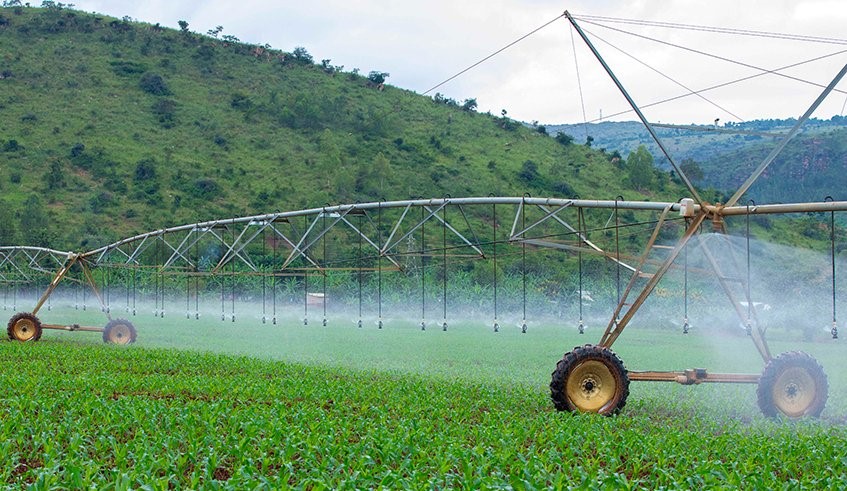
Recent progress in agricultural modernization is evident. According to national reports, about 74,375 hectares are under irrigation, while 47% of farm operations are mechanized, a clear signal that Rwanda is transitioning toward a more productive and market-oriented system.
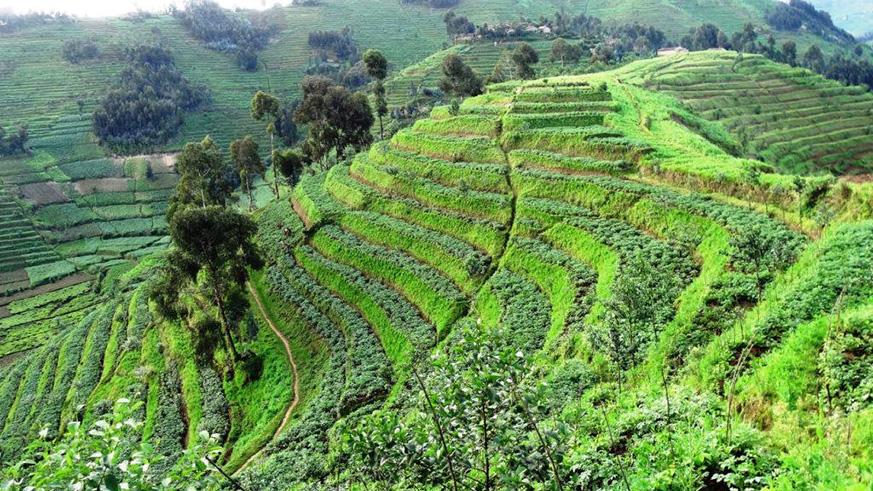
Guided by the revised national agriculture policy (2018), the country aims to achieve food security, improved nutrition, and sustainable agricultural growth by 2030.Yet, despite this progress, Rwanda faces structural challenges like, severe soil erosion due to its hilly terrain, declining soil fertility and land degradation, climate change impacts such as erratic rainfall, droughts, and floods and high pressure on limited arable land. Women remain the backbone of farming activities, while youth represent the driving force behind innovation and modernization. Any sustainable agricultural transformation must actively empower both groups.
The rise of modern agriculture in Rwanda
Modern agriculture in Rwanda is undergoing a significant transformation driven by strategic investments in innovation and technology across the agricultural value chain. Key developments include the expansion of irrigation systems and improved water management, which reduce dependence on rainfall and support year-round production; the growth of greenhouse farming and climate-controlled production systems, enabling farmers to grow high-value crops under more stable and predictable conditions; the increased use of improved seeds and fertilizers, which enhance yields and crop resilience; as well as the growing adoption of mechanization and digital agriculture tools that improve efficiency, reduce labor intensity, and support data-driven decision-making.
These innovations are already delivering tangible results by increasing agricultural productivity, improving resource-use efficiency, and making agriculture more attractive to young people who are increasingly viewing agribusiness as a viable and profitable career path.
However, technological modernization alone is not sufficient. Without careful management of soil health and natural resources, gains in productivity may not be sustainable over time. For this reason, modern agriculture must be implemented alongside sustainable land management practices, ensuring that increased production does not come at the expense of long-term soil fertility, ecosystem health, and environmental resilience.
Revolutionizing agriculture: Modern meets regenerative
The future of agriculture in Rwanda will not be built on replacing one approach with another, but on smart integration. A truly resilient and forward-looking farming system brings together the best of modern innovation and ecological restoration. It means combining precision agriculture with soil restoration practices, irrigation with water conservation techniques, digital tools with strong farmer education and extension services, and agroforestry with biodiversity conservation.
This integrated approach does more than improve productivity, it directly supports Rwanda’s core agricultural policy priorities such as productivity and commercialization, by increasing yields and market competitiveness, resilience and sustainable intensification, by restoring soil health and adapting to climate change, inclusive employment and skills development, especially for women and youth driving innovation and effective institutions and an enabling environment, through coordinated support, knowledge systems, and investment.
Together, these elements form a powerful, future-ready agricultural model—one that is not only highly productive, but also environmentally sustainable, climate-resilient, and socially inclusive.
Strengthening harvest and post-harvest management
Post-harvest losses remain one of the most persistent and costly challenges in the agricultural value chains of Rwanda. A significant portion of what farmers work hard to produce is lost after harvest due to a combination of weak handling practices, inadequate storage infrastructure, and limited access to processing facilities. These losses not only reduce the quantity and quality of food available in the market but also directly translate into reduced incomes for farming households. Addressing this challenge requires practical, scalable, and high-impact interventions across the entire post-harvest system. Key solutions being promoted include:
- Proper harvesting timing and improved harvesting techniques, which help minimize crop damage, preserve quality, and reduce field losses during collection
- Improved drying and handling methods, designed to prevent moisture retention, mold growth, contamination, and spoilage—especially for grains and legumes
- Modern storage technologies, such as hermetic storage bags and improved silos, which protect harvested produce from pests, humidity, and deterioration over longer periods
- Cold storage systems and value addition infrastructure, which extend shelf life, reduce wastage of perishable crops, and increase overall market value through processing and packaging
Strengthening post-harvest systems is one of the most efficient and cost-effective strategies for improving food security and boosting rural incomes in Rwanda. It enables farmers to retain more of what they produce, sell higher-quality products, and increase earnings—without requiring additional land or expanding cultivation areas.
Smart use of agricultural inputs
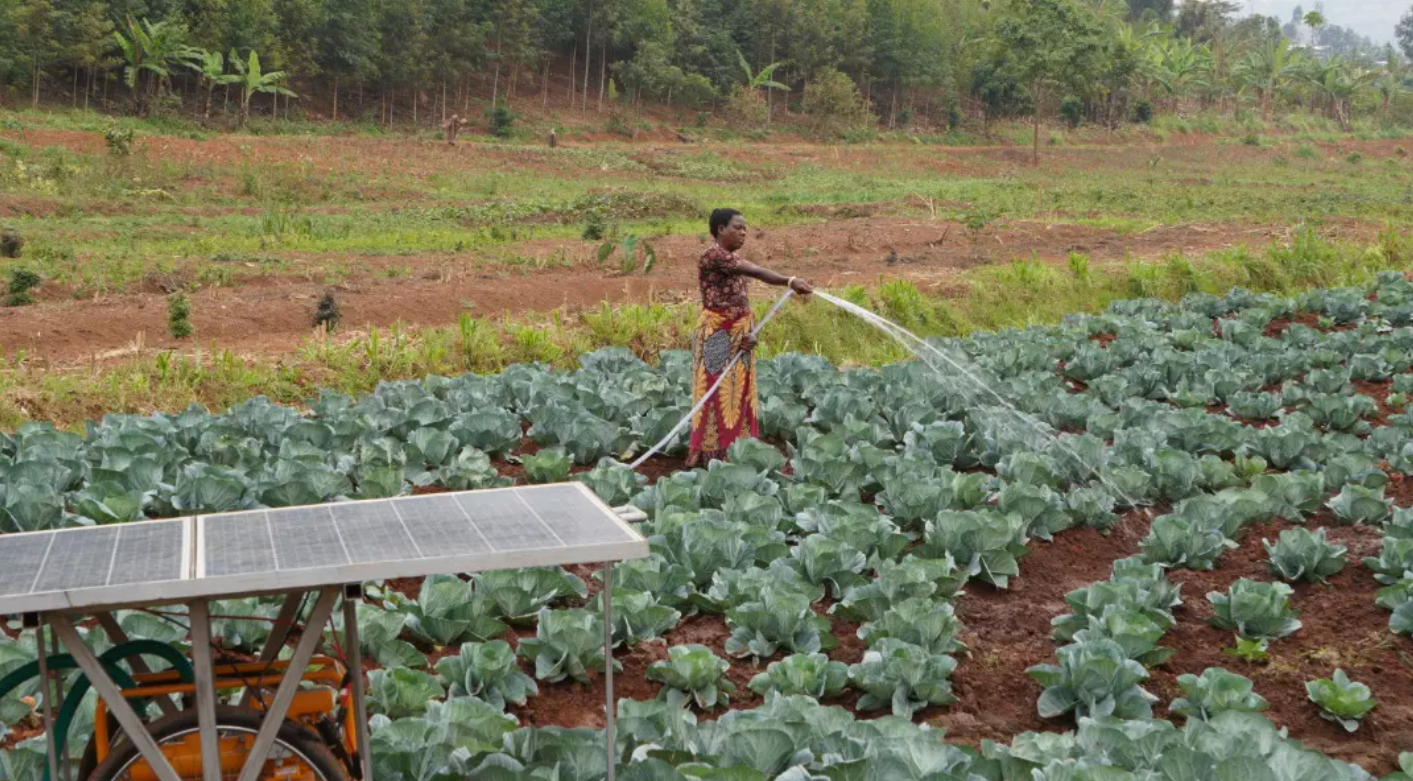
Efficient use of agricultural inputs remains uneven across Rwanda, limiting productivity gains for many farmers. A significant number still face structural and knowledge-related barriers that affect optimal farm performance, including limited access to improved seed varieties, insufficient understanding of appropriate fertilizer application rates, and low adoption of soil testing practices to guide input use.
A more effective and sustainable approach is emerging, one that emphasizes precision and balance in input management. This includes:
- Integrating organic and inorganic fertilizers to improve soil health while maintaining productivity
- Using location-specific improved seed varieties that are adapted to local soil and climate conditions
- Applying inputs based on soil analysis, ensuring that nutrients are used efficiently and responsibly
To fully realize these gains, strengthening agricultural extension services, farmer training, and advisory systems is essential. Empowering farmers with knowledge and practical guidance will not only increase yields but also enhance long-term soil fertility and environmental sustainability.
Climate change and greening strategies
Climate change is one of the greatest threats to Rwanda’s agriculture—but it also presents an opportunity to transform farming systems.
Key climate-smart agricultural practices are essential for building resilient and productive farming systems in Rwanda, especially in the face of increasing climate variability and land degradation. These practices not only help farmers adapt to changing weather patterns but also contribute to long-term environmental restoration and improved productivity.
Some of the most effective climate-smart approaches include:
- Agroforestry, which integrates trees with crops and sometimes livestock to create more diverse, productive, and resilient farming systems
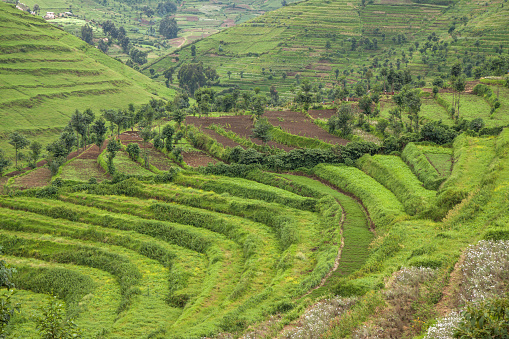
- Terracing and soil conservation techniques, which reduce soil erosion, control runoff on steep slopes, and improve water retention in the soil
- Landscape restoration initiatives, aimed at rehabilitating degraded land, restoring vegetation cover, and improving ecosystem balance
- Adoption of climate-resilient crop varieties, including drought-tolerant and early-maturing seeds that perform better under changing climate conditions
Among these practices, agroforestry plays a particularly critical role. By combining trees with agricultural crops, it helps to reduce soil erosion, enhance soil fertility through natural nutrient cycling, regulate microclimates, and restore degraded ecosystems—while still maintaining or even increasing agricultural productivity over time.
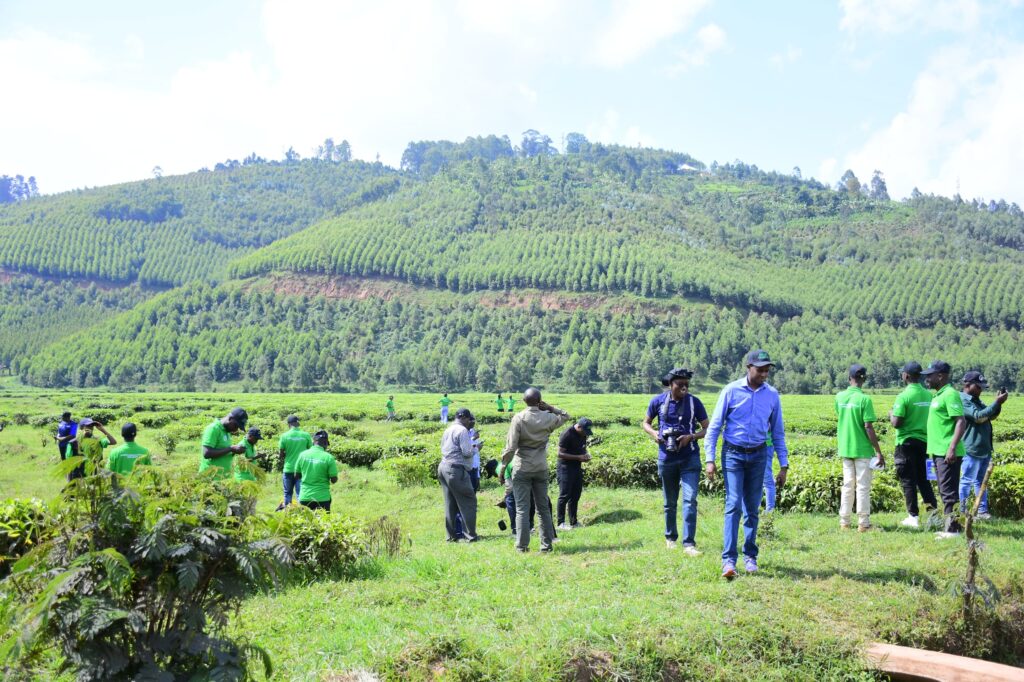
What is regenerative farming?
Regenerative farming goes beyond the idea of sustainability. While sustainability focuses on maintaining current conditions and preventing further degradation, regenerative farming takes a more proactive approach—it actively restores, rebuilds, and enhances natural systems that support agriculture and life.
At its core, regenerative farming is centered on reviving soil health, which is the foundation of all agricultural productivity. Healthy soils are rich in organic matter, full of microbial life, and capable of holding water and nutrients more effectively. By restoring soil structure and fertility, regenerative practices help crops grow stronger, more resilient, and more productive over time.
Beyond soil, regenerative farming also prioritizes increasing biodiversity. This includes integrating trees, crops, and livestock in ways that imitator natural ecosystems, supporting beneficial insects, pollinators, and soil organisms. Greater biodiversity strengthens farm ecosystems, reduces pest outbreaks, and improves long-term stability.
Another key dimension is ecosystem resilience. Regenerative systems improve the land’s ability to withstand climate shocks such as droughts, heavy rainfall, and temperature changes. Practices like mulching, agroforestry, cover cropping, and reduced tillage help the land retain moisture, reduce erosion, and regulate natural cycles.
Importantly, this approach does not reduce productivity—instead, it aims to sustain and improve agricultural output over time. By working with nature rather than against it, regenerative farming creates a system where farms become more productive, more resilient, and more environmentally balanced year after year.
Sustainable farming protects resources. Regenerative farming improves them.
Regenerative agriculture provides practical, proven, and locally adaptable solutions to some of the most pressing agricultural challenges in Rwanda. It is not a theoretical approach—it directly addresses the realities faced by farmers every season, especially in a landscape vulnerable to soil erosion, land fragmentation, and climate variability.
At its foundation, regenerative farming helps to:
- Restore soil fertility and structure by increasing organic matter, enhancing microbial activity, and rebuilding degraded soils that have been exhausted by continuous cultivation
- Improve water retention and reduce erosion, especially on Rwanda’s steep hillsides, by using practices such as mulching, cover cropping, and agroforestry that keep soil in place and retain moisture during dry periods
- Lower dependence on costly external inputs, such as chemical fertilizers and pesticides, by strengthening natural soil fertility cycles and biological pest control systems
- Increase resilience to climate shocks, including droughts, floods, and unpredictable rainfall, by improving the land’s ability to absorb, store, and regulate water and nutrients
- Stabilize and improve yields over time, ensuring that productivity does not decline but instead gradually increases as soil health improves
In this way, regenerative farming becomes both an environmental solution and an economic strategy—reducing risk while increasing long-term productivity and profitability for farmers.
Water management and rainwater harvesting
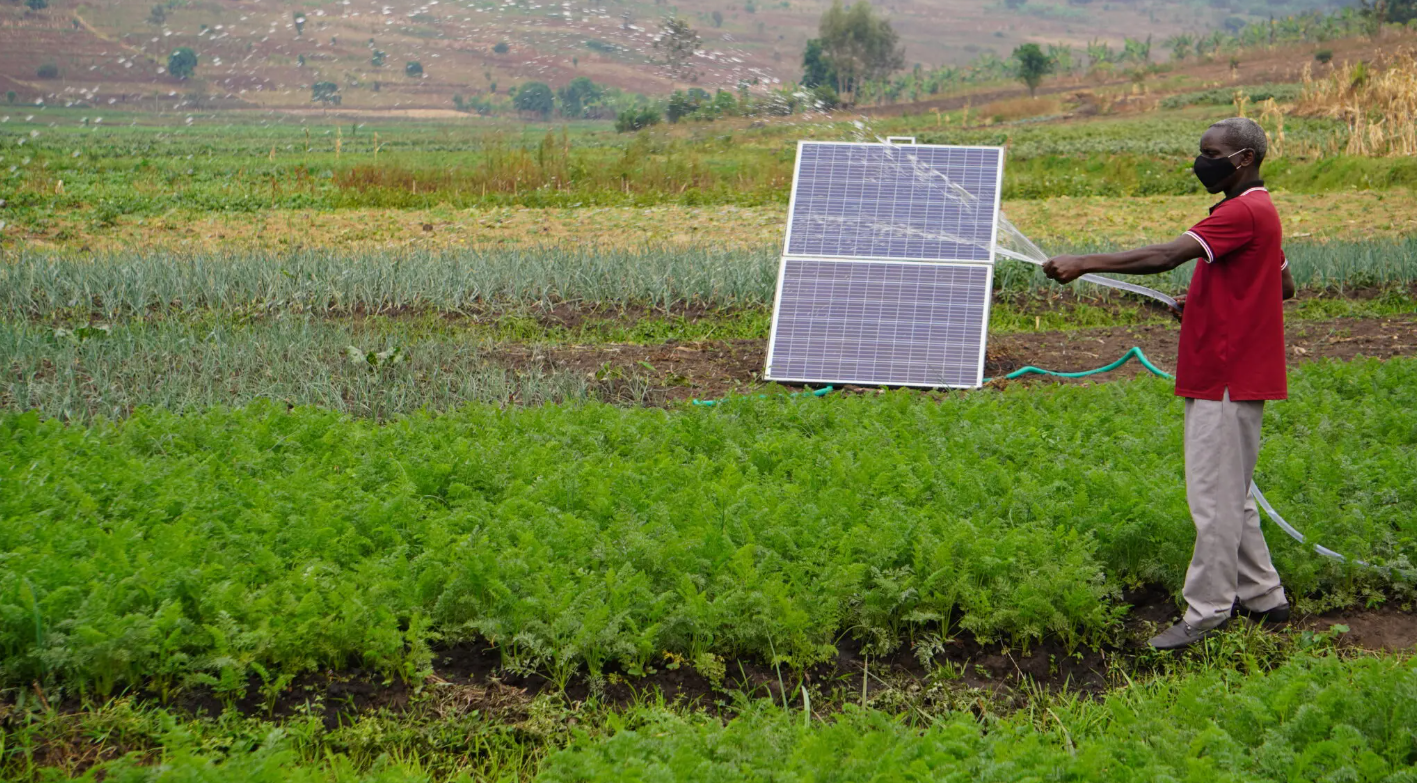
Water management and rainwater harvesting are becoming essential pillars of climate-smart agriculture in Rwanda, especially as rainfall patterns become increasingly unpredictable due to climate change.
Effective water management ensures that water is used efficiently, conserved properly, and made available when farmers need it most—particularly during dry spells. It includes practices such as controlled irrigation, soil moisture conservation, and efficient distribution systems that reduce water waste and improve crop performance.
Rainwater harvesting, on the other hand, focuses on capturing and storing rainwater for later agricultural use. Instead of allowing rainwater to run off steep hillsides—often causing erosion—it is collected through systems such as rooftop tanks, small reservoirs, ponds, and infiltration trenches. This stored water becomes a valuable resource for irrigation during dry periods, helping farmers maintain production stability throughout the year.
Together, water management and rainwater harvesting offer several important benefits:
- Improved water availability during dry seasons and drought periods
- Reduced soil erosion by controlling surface runoff
- Increased crop productivity through reliable irrigation sources
- Enhanced climate resilience for smallholder farmers
- Better use of natural rainfall resources, reducing dependence on external water sources
By integrating these practices into farming systems, Rwanda can strengthen agricultural resilience, protect natural resources, and support more stable and productive farming systems for the future.
A path toward resilient prosperity
Rwanda has a clear and ambitious agricultural vision: to build a productive, green, climate-resilient, and market-oriented sector that ensures food security while driving inclusive economic growth.
Achieving this vision requires more than incremental improvements. It demands a systemic transformation of how food is produced, moving toward agricultural systems that are not only efficient, but also regenerative—systems that restore the environment while sustaining livelihoods.
This transformation is not only about farming techniques. It is about reshaping the entire development pathway of rural economies.
It contributes to:
- Building a resilient national economy, capable of withstanding climate and market shocks while ensuring stable food production
- Empowering youth and women, by creating opportunities in modern farming, agribusiness, agro-processing, and green innovation
- Strengthening national food systems, by reducing losses, improving productivity, and increasing local value addition
- Securing natural resources for future generations, ensuring that land, water, and ecosystems remain productive and healthy over time
The future of agriculture in Rwanda will be shaped by the powerful convergence of healthy soils, smart innovation, and strong institutional support systems. When these three pillars are effectively aligned, they reinforce one another and create a self-sustaining cycle of agricultural transformation that benefits both people and the environment.
This synergy leads to far-reaching and interconnected outcomes, including:
- Restored ecosystems, where degraded land is rehabilitated and natural ecological functions are revived
- Higher and more stable agricultural yields, supported by improved soil health, better water management, and efficient farming practices
- Stronger rural incomes, as farmers produce more, lose less, and access better markets and value chains
- Enhanced climate resilience, enabling farming systems to better withstand droughts, floods, and unpredictable weather patterns
- Long-term national prosperity, driven by a productive, sustainable, and inclusive agricultural sector
Ultimately, regenerative farming is far more than a set of agricultural techniques. It represents a long-term development pathway—one that strengthens ecosystems, empowers rural communities, and builds a more resilient and prosperous future for Rwanda.
End.
Very nice article
Thanks