






































































































Written by Malliavin Nzamurambaho
The recent escalation in geopolitical tensions, particularly the USA–Iran conflict, has once again disrupted global oil markets, leading to a sharp increase in fuel prices worldwide. For countries like Rwanda, which rely entirely on imported petroleum products, this has immediate and far-reaching consequences higher transport costs, increased cost of living, and economic pressure on households and businesses.
However, Rwanda is not standing still in the face of this challenge. Instead, the country is turning adversity into an opportunity to accelerate its transition toward sustainable transport solutions. By promoting public transport systems such as EcoFleet and encouraging investment in electric vehicles (EVs), Rwanda is addressing both short-term challenges and long-term development goals.
As a Rwandan proverb wisely states, “Misfortune may come, but it should not last forever’’. Rwanda is embodying this wisdom by transforming a fuel crisis into a pathway for innovation, resilience, and green growth.
A strategic shift in transport
Rwanda is undertaking a major transformation of its transport sector by encouraging citizens to rely more on public transportation and by promoting electric mobility.
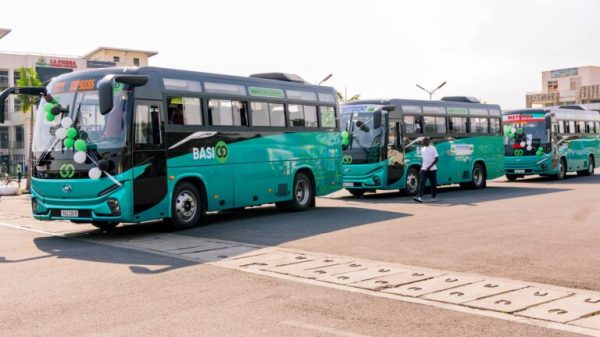
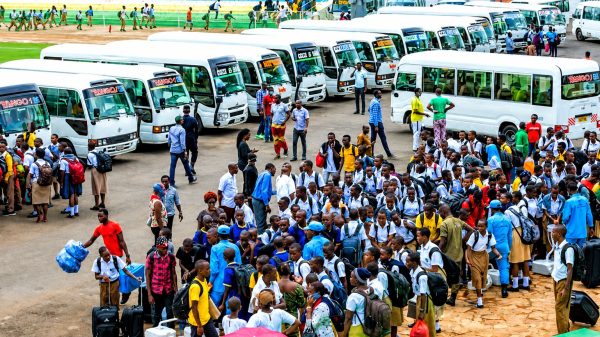
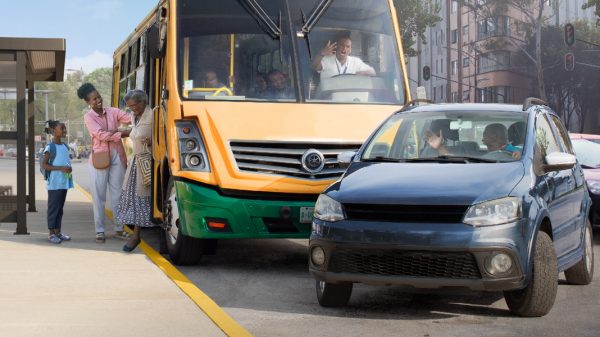
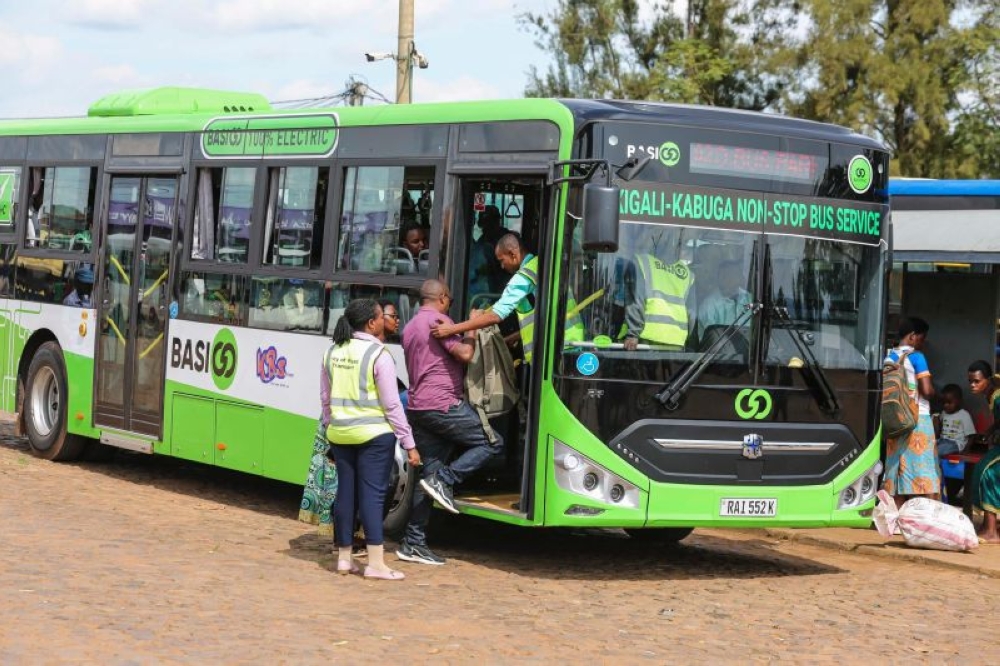
Public transport systems in Kigali are being modernized to ensure efficiency, affordability, and accessibility. EcoFleet, for example, represents a new generation of transport solutions designed to reduce congestion, lower costs, and minimize environmental impact.
At the same time, Rwanda is positioning itself as a hub for electric mobility in Africa. The adoption of electric buses, motorcycles, and cars is steadily increasing, supported by government policies and private sector investment.
This shift is not just about transportation—it is about reshaping the economy to be more resilient, sustainable, and forward-looking.
Addressing economic, environmental, and social needs
Rwanda’s approach is driven by multiple interconnected factors: First, rising fuel prices are putting pressure on the economy. Since Rwanda imports all its fuel, any increase in global oil prices directly affects transportation and commodity prices. Encouraging public transport helps reduce fuel consumption and protects citizens from these shocks. Second, Rwanda is committed to environmental sustainability. Under the National Strategy for Transformation 2 (NST2), the country aims to significantly reduce carbon emissions.
The transport sector is a major contributor to CO₂ emissions, making it a priority area for reform, particularly under the C027 emission reduction target.
Third, Rwanda has a strong national vision for green growth. Initiatives such as the Rwanda Eco Park demonstrate the country’s dedication to environmental protection, greening, and sustainable urban development. Eventually, Rwanda sees this moment not just as a crisis but as an opportunity to accelerate its mission toward a cleaner and more sustainable future.
A collective national effort
The transformation of Rwanda’s transport sector involves all segments of society. The Government of Rwanda, under the leadership of His Excellence Paul Kagame, is providing policy direction, investment, and incentives to support sustainable mobility. Public transport operators, including EcoFleet, are implementing efficient systems that serve thousands of customers daily.
The private sector and investors are being called upon to invest in electric vehicles, charging infrastructure, and related technologies, creating new economic opportunities.
Most importantly, citizens themselves play a central role. Every Rwandan who chooses public transport over private fuel-powered vehicles contributes to reducing congestion, lowering emissions, and strengthening the national economy.
Fuel vehicle owners are particularly encouraged to reduce usage and transition gradually toward electric alternatives or shared transport systems.
From Kigali to the whole country
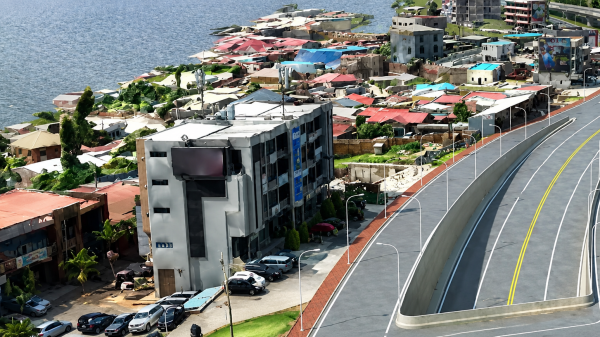
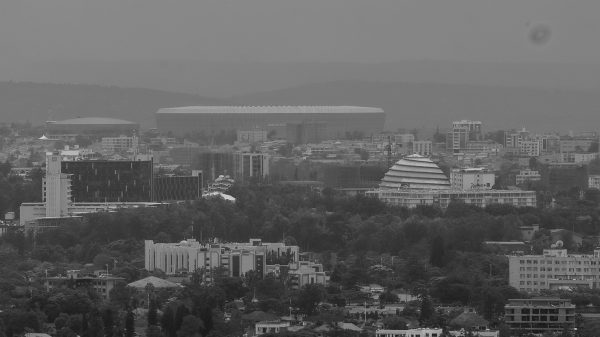
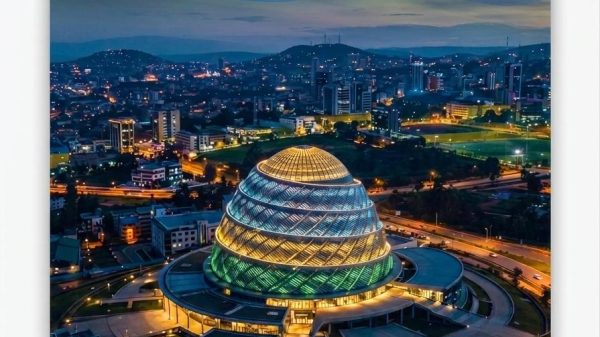
The transformation is most visible in Kigali, where population density and transport demand are highest. Modern buses, organized routes, and emerging electric mobility solutions are already reshaping how people move within the city.
However, the impact extends beyond the capital. National policies are designed to ensure that sustainable transport solutions reach all regions of Rwanda. Educational institutions, development projects, and rural areas are also benefiting from improved transport systems and infrastructure.
Rwanda’s vision is not limited to one city; it is a nationwide transformation toward sustainable mobility.
A timely and strategic transition
This transformation is happening now, driven by the urgency of rising fuel prices and global uncertainties. At the same time, it is part of a long-term strategy aligned with Rwanda’s development frameworks and environmental commitments.
The current fuel crisis has simply accelerated a transition that Rwanda had already begun. What might have taken years is now being fast-tracked, ensuring that the country remains ahead in sustainable development.
Practical steps toward sustainable mobility
Rwanda is implementing its strategy through a combination of policy, investment, and public engagement. The government is actively promoting the use of public transport by improving service quality, affordability, and accessibility. Systems like EcoFleet are making public transport more attractive and reliable.
Investment in electric mobility is being encouraged through supportive policies and partnerships. Rwanda is positioning itself as a destination for EV investors, with opportunities in manufacturing, assembly, and infrastructure development.
Infrastructure development is also a key focus. Better roads, organized transport networks, and digital solutions are enhancing efficiency and user experience.
Environmental initiatives, including greening programs and projects like the Rwanda Eco Park, complement these efforts by reinforcing the country’s commitment to sustainability. Public awareness campaigns are encouraging behavioral change, urging citizens to reduce reliance on fuel-powered vehicles and embrace greener alternatives.
A call to action for a greener future
Rwanda’s response to rising fuel prices demonstrates visionary leadership and strategic thinking. Instead of being constrained by global challenges, the country is using them as a catalyst for transformation.
By embracing public transport, investing in electric vehicles, and advancing green initiatives, Rwanda is not only addressing immediate transport challenges but also building a resilient and sustainable future.
This journey requires collective action. Citizens are encouraged to use public transport whenever possible. Investors are invited to support the growing electric mobility sector. Fuel vehicle owners are called upon to reduce usage and transition toward sustainable alternatives.
Through these efforts, Rwanda can continue to fulfill its mission, delivering on the commitments made to its people, advancing its NST2 targets, reducing CO₂ emissions, and leading the way in greening Africa.
In the spirit of its national resilience, Rwanda proves that even in times of crisis, progress is not only possible, it is inevitable.
End.