Written by Malliavin Nzamurambaho, Analyst and Commentator
Climate change and environmental pressures are increasingly shaping Rwanda’s development agenda as the country intensifies efforts to build a green and climate-resilient economy. Rwanda has committed to reducing greenhouse gas emissions by 38 percent by 2030, restore two million hectares of degraded land, and expand renewable energy access as part of its long-term green growth strategy.
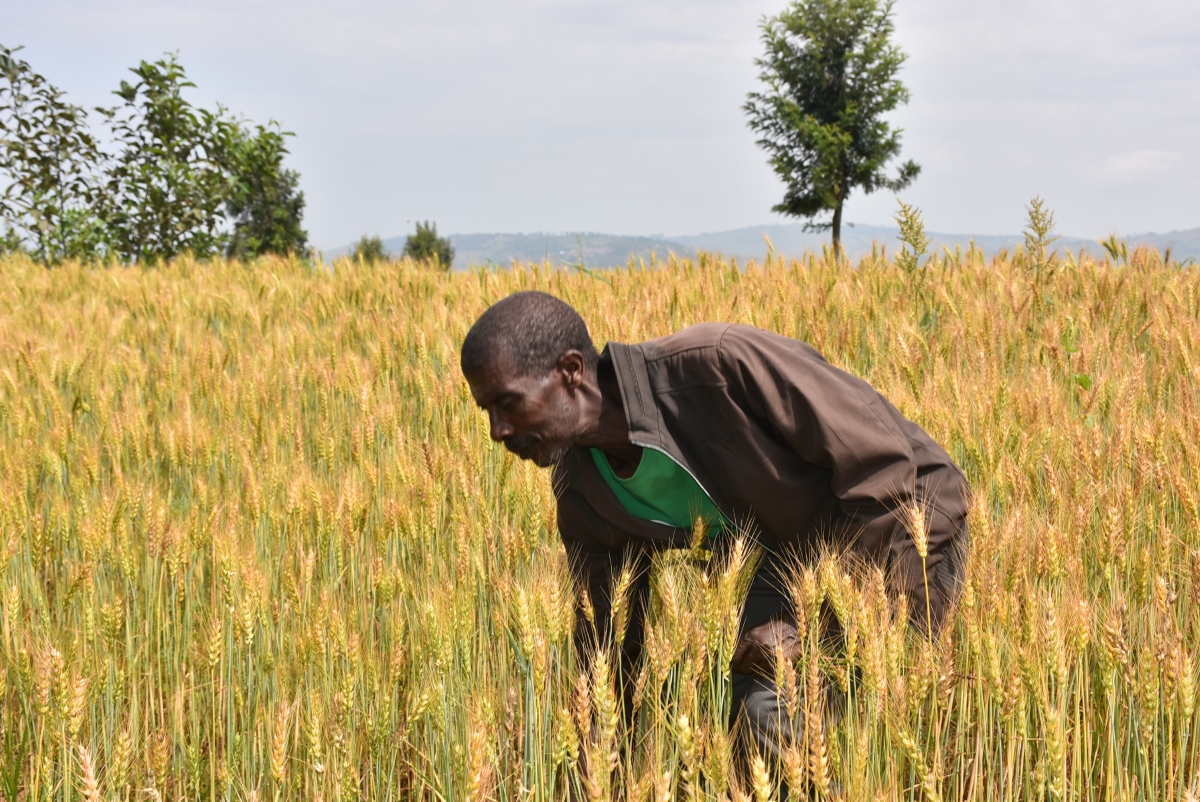
Across the country, investments in climate-smart agriculture, biodiversity conservation, clean energy, and sustainable water management are helping communities adapt to the growing impacts of droughts, floods, and land degradation.
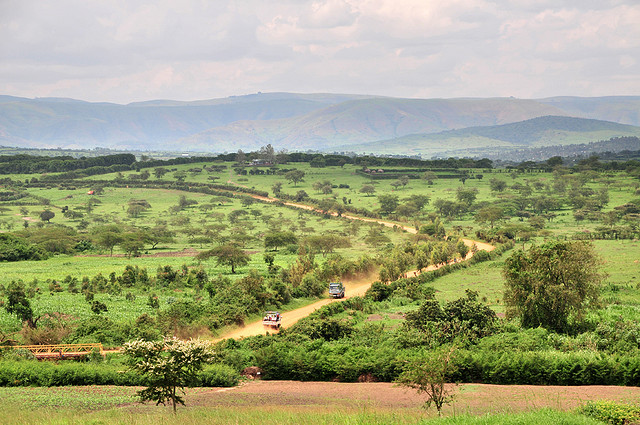
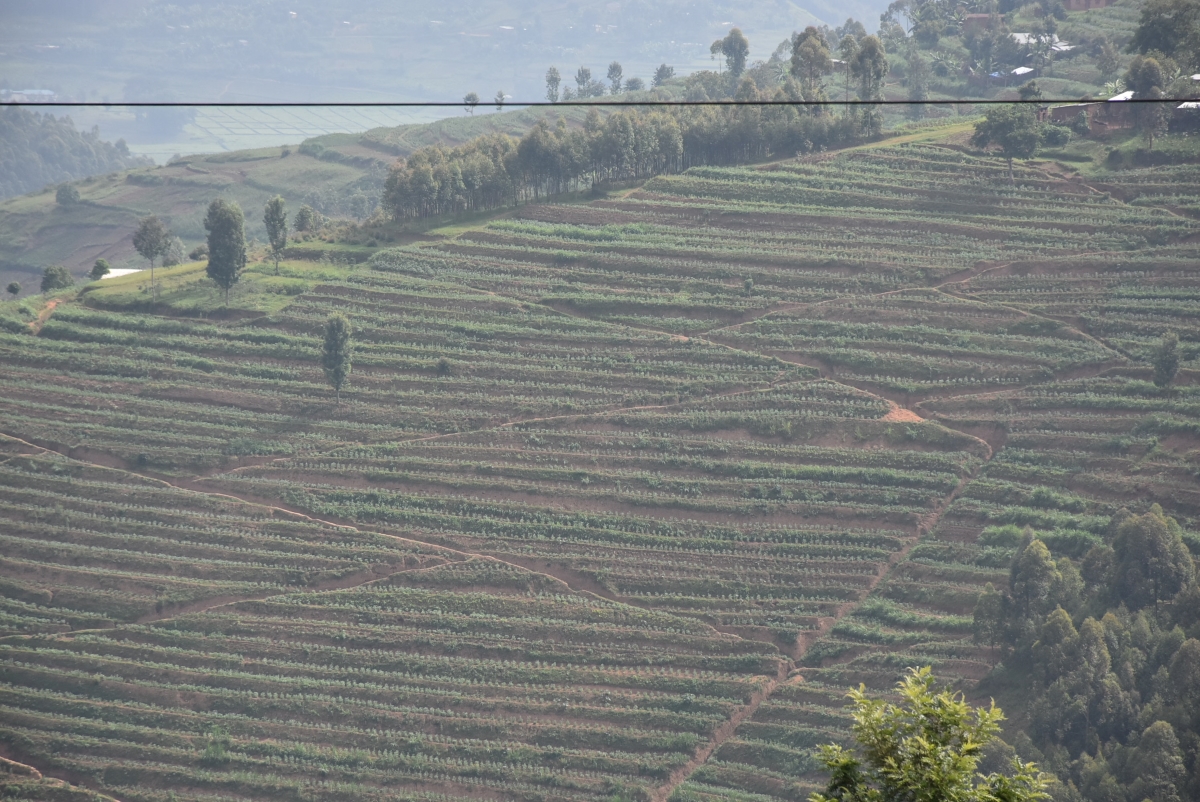
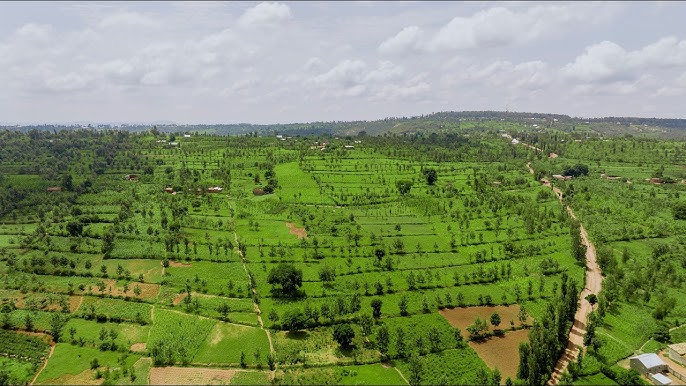
The flagship initiatives such as the Green Gicumbi Project in Northern Rwanda and the Green Amayaga Project in the Southern Province have transformed vulnerable landscapes through terracing, afforestation, irrigation systems, and climate-resilient farming, benefiting thousands of rural households.
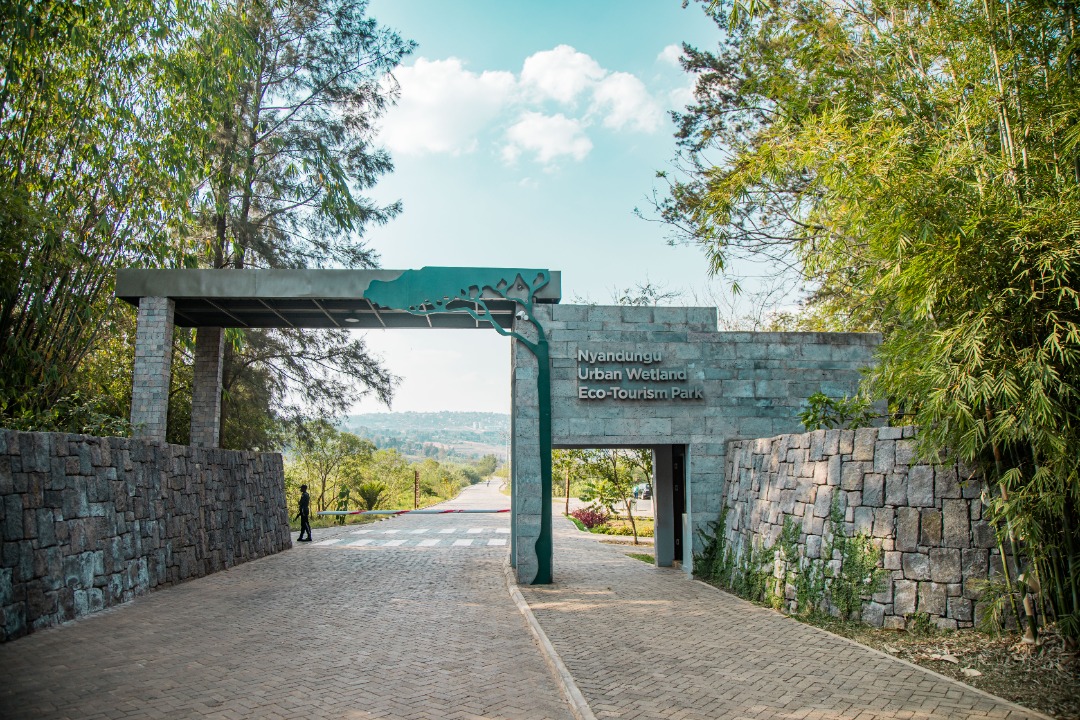
In Kigali, the restoration of the Nyandungu Eco-Tourism Park has turned a once-degraded wetland into a model green urban space that promotes biodiversity, ecotourism, and environmental education, while ongoing conservation efforts in the Urugezi Wetland continue to protect one of Rwanda’s most critical ecosystems and water catchment areas.
As environmental challenges continue to grow across the world, sustainable development has become essential for protecting natural ecosystems, strengthening economies, and improving human well-being. Biodiversity protection, water management, climate change mitigation and adaptation, and energy efficiency are among the most important pillars of sustainability. These interconnected areas help build resilient communities, conserve natural resources, and support long-term economic and environmental stability.
Biodiversity protection: Safeguarding ecosystems and livelihoods
Biodiversity includes all living organisms such as plants, animals, micro-organisms, and ecosystems that sustain life on earth. Healthy ecosystems provide food, medicine, clean water, fertile soils, climate regulation, and many other essential services. However, deforestation, pollution, habitat destruction, and unsustainable agricultural practices continue to threaten biodiversity globally.
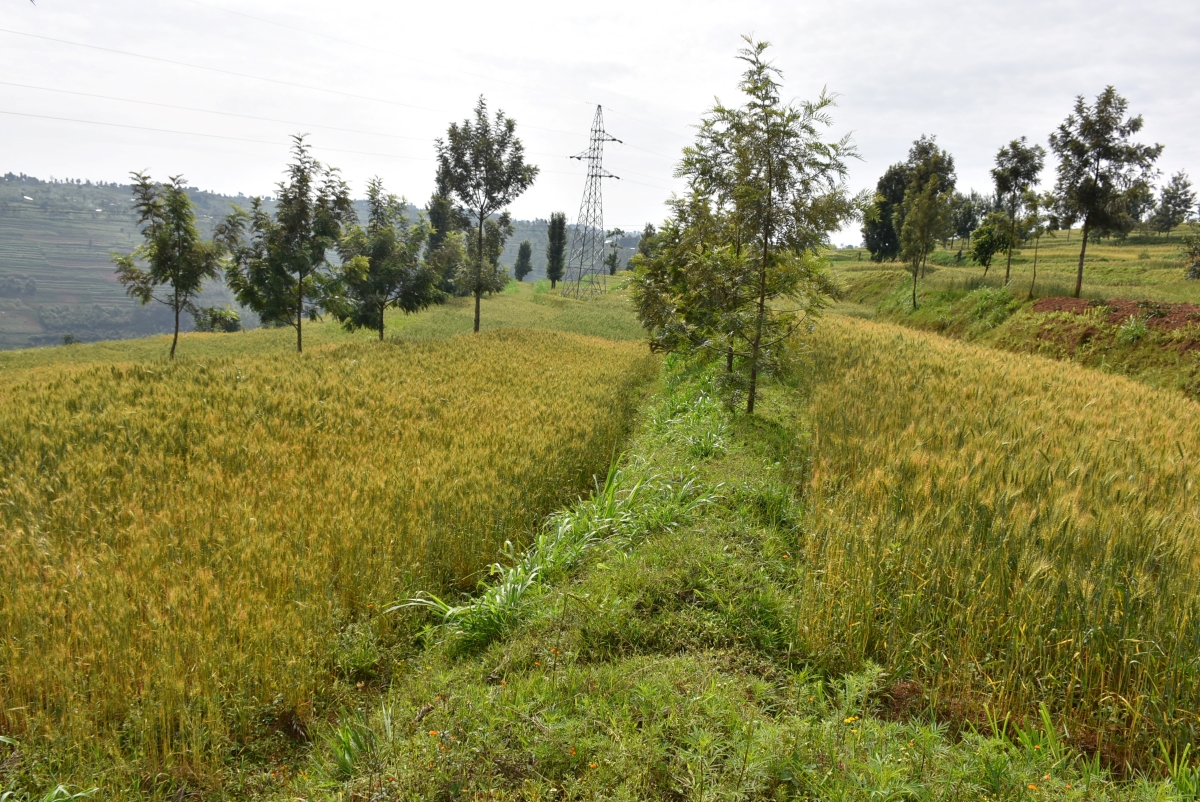
Protecting biodiversity requires responsible land management, conservation of forests and wetlands, ecosystem restoration, and sustainable agricultural practices such as agroforestry, crop rotation, and reduced chemical use. Biodiversity conservation also strengthens resilience to climate change by enabling ecosystems to better withstand droughts, floods, and extreme weather conditions.
Rwanda has become one of Africa’s leading examples in biodiversity conservation. The country protects globally important ecosystems through national parks such as Volcanoes National Park, Nyungwe National Park, and Akagera National Park. These conservation areas protect threatened species, including mountain gorillas, while supporting tourism, employment, and community development.
Rwanda has also invested in reforestation and land restoration programs to reduce environmental degradation and preserve natural habitats.
In addition, projects such as the Eco Tourism Park initiative to recover old industrial areas, the Green Gicumbi, and the Amayaga Projects demonstrate Rwanda’s commitment to sustainable development, ecological restoration, climate resilience, and green economic growth.

Water management: Protecting a vital resource
Water is essential for human health, agriculture, energy production, and industrial development. However, many countries continue to face water scarcity, pollution, and inefficient use of water resources. Sustainable water management focuses on conserving water, improving efficiency, protecting watersheds, and ensuring access to safe drinking water and sanitation.
Modern irrigation systems, rainwater harvesting, wastewater treatment, and watershed protection are critical solutions for reducing water waste and improving water security. Integrated water resource management also promotes balanced use of land and water resources while protecting rivers, wetlands, and groundwater systems.
In Rwanda, significant progress has been made in improving access to clean water and strengthening water resource management. Investments in water supply infrastructure, irrigation systems, wetland conservation, and soil erosion control have enhanced water security for both rural and urban communities. Programs promoting rainwater harvesting and watershed protection continue to support sustainable agriculture and environmental conservation.
Climate change mitigation and adaptation: Building resilience
Climate change remains one of the most pressing global challenges, affecting ecosystems, economies, and livelihoods through rising temperatures, droughts, floods, and unpredictable weather patterns. Addressing climate change requires both mitigation, reducing greenhouse gas emissions and adaptation measures that help communities manage with climate impacts.
Mitigation efforts include renewable energy development, sustainable transport systems, reforestation, climate-smart agriculture, and low-carbon industrial practices. Adaptation strategies focus on strengthening resilience through drought-resistant crops, flood management systems, resilient infrastructure, and early warning systems.
Rwanda has demonstrated strong leadership in climate action through its green growth and climate resilience strategy. The country promotes climate-smart agriculture, environmental protection, renewable energy, and sustainable urban development. Rwanda is also investing in climate adaptation programs that address floods, landslides, and drought risks, helping vulnerable communities adapt to changing environmental conditions.
Energy efficiency: Reducing costs and environmental impact
Energy efficiency is one of the most practical and cost-effective approaches to sustainable development. Efficient energy use reduces operational costs, lowers greenhouse gas emissions, and decreases dependence on fossil fuels. Energy-efficient technologies such as LED lighting, efficient machinery, smart buildings, and clean cooking technologies help improve productivity while protecting the environment.
Renewable energy sources including solar, hydropower, wind, and biogas are also critical for reducing carbon emissions and expanding energy access. In many developing countries, renewable energy systems are improving rural electrification and supporting economic growth.
Rwanda continues to expand access to clean and efficient energy through investments in solar energy, hydropower, methane gas, and off-grid renewable energy solutions. The country also encourages energy-saving technologies and sustainable urban planning to improve energy efficiency and reduce environmental impact.
Sustainable development depends on protecting biodiversity, managing water resources responsibly, addressing climate change, and promoting energy efficiency. These pillars are closely interconnected and require cooperation between governments, businesses, communities, and individuals.
Rwanda shows strong commitment to environmental sustainability by integrating green growth and climate resilience into national development strategies. Through biodiversity conservation, improved water management, climate action, and renewable energy investments, the country continues to build a greener, more resilient, and sustainable future.
Although challenges such as climate vulnerability, population pressure, and resource management remain, Rwanda’s progress demonstrates that sustainable development is achievable through strong policies, innovation, and collective action. By continuing to invest in environmental protection and sustainable resource management, Rwanda can strengthen its position as a regional leader in climate action and sustainable development.
End.