Written by Malliavin Nzamurambaho, Analyst and Commentator
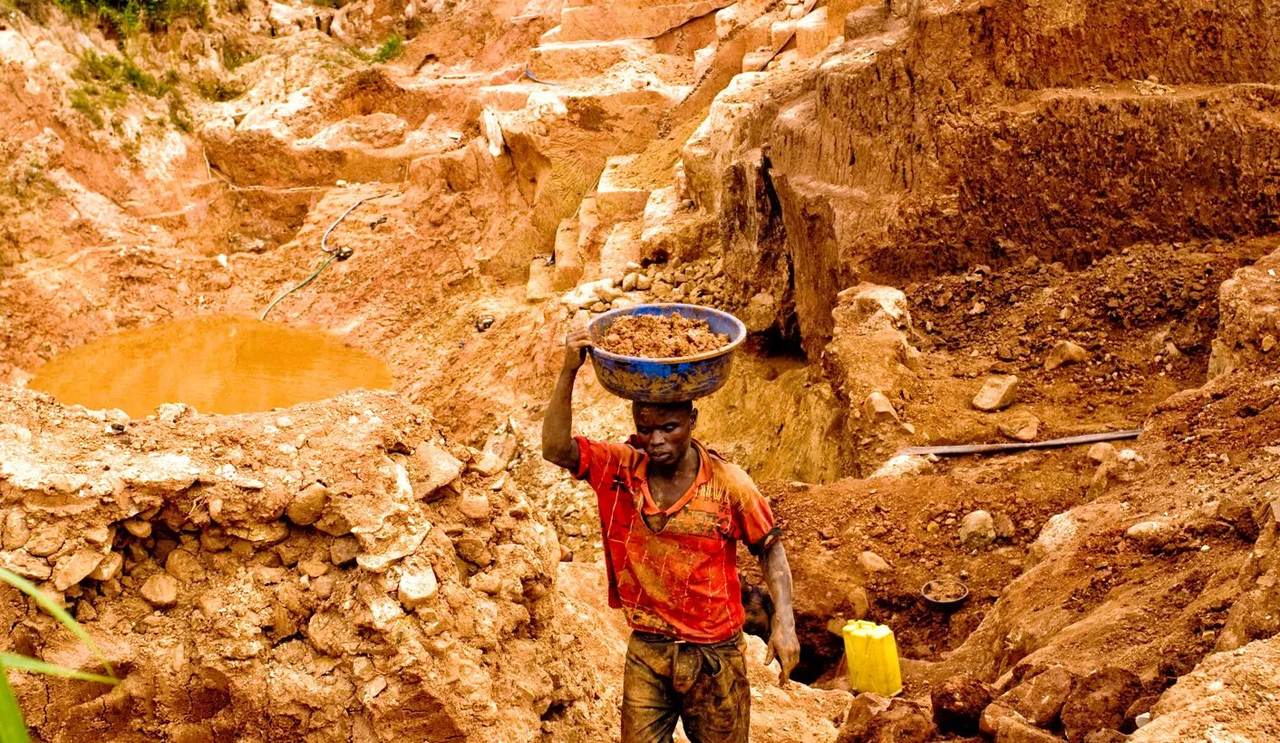
With nearly 30 percent of the world’s known critical mineral reserves, Africa is emerging as the epicenter of a new global competition driven by the booming demand for green energy, artificial intelligence, and advanced defense technologies. The continent holds more than 55 percent of global cobalt reserves, alongside major deposits of lithium, manganese, graphite, and rare earth minerals essential for electric vehicle batteries and clean energy infrastructure. By mid-2026, billions of dollars in foreign investment have flowed into African mining projects as global powers race to secure supply chains. Yet beneath this surge lies a growing concern: that Africa could once again remain largely a supplier of raw materials, exporting its vast mineral wealth with limited local processing, industrialization, or long-term economic benefit for its citizens.
The world is entering a dangerous new era – an era driven by chips, critical minerals, artificial intelligence, military competition, and the race for global dominance. From fuel-powered industries to electric motors, from oil to lithium, cobalt, coltan, and rare earth minerals, the struggle for control of resources is reshaping international politics. Africa, once again, stands at the center of this global competition.
But behind the language of “development, “security”, and “strategic partnerships”, another reality is emerging: powerful nations are competing for influence at any cost, while weaker nations are pressured to surrender parts of their sovereignty in exchange for protection, aid, military support, or political survival. The famous line from Animal Farm captures today’s global reality better than ever: “All animals are equal, but some animals are more equal than others.”
International laws are increasingly ignored when they inconvenience powerful countries. International organizations often appear powerless or selective. Democracy, once promoted as a universal value, is now applied differently depending on geopolitical interests. Human rights are defended loudly in one country and ignored silently in another.
The world is beginning to resemble a jungle where the strongest powers act without accountability, while smaller nations struggle to survive between competing global interests.
The new global struggle: Minerals and influence
The transition from fossil fuels to electric technologies has created a new “gold rush.” Countries rich in strategic minerals have become targets of global competition. The world needs African minerals for batteries, electric vehicles, semiconductors, and advanced military technologies. This creates both opportunity and danger.
Africa possesses enormous natural wealth, yet history teaches us that resource wealth alone does not guarantee prosperity. In many cases, it attracts foreign interference, corruption, political instability, and conflict.
Some governments are now using security crises and geopolitical tensions to extend their time in power. Under the excuse of “national security” or “protecting stability,” democratic freedoms are reduced, opposition voices are silenced, and citizens suffer increasing poverty and uncertainty.
Meanwhile, external powers continue supporting leaders who protect their strategic interests, regardless of the suffering of ordinary people.
The people cry out; International bodies observe; Reports are written; Meetings are organized.
But too often, nothing changes.
And as the French expression says, “le passage obligé” – people are forced through suffering as if pain has become an unavoidable passage toward political and economic transformation.
Africa Must Refuse to Become a Battlefield of Influence
African leaders face a historic responsibility. The continent must not become merely a supplier of raw materials while others manufacture wealth, technology, and power. Nor should Africa become a geopolitical battlefield where foreign powers compete while African citizens pay the price.
The greatest danger today is not only external pressure. It is the willingness of some leaders to sacrifice national interests for short-term political survival. A nation loses its dignity when decisions affecting its future are made outside its borders.
Is it normal for foreign powers to influence national choices? Is it acceptable for sovereignty to become negotiable? Can leadership remain legitimate when citizens are excluded from major national decisions? These are difficult questions, but Africa must confront them honestly.
The failure of global institutions
Many citizens are losing trust in international institutions because they see inconsistency and selective justice. Wars continue; Sanctions are applied unevenly; Civilian deaths are normalized;
Power determines legality.
Smaller nations increasingly believe that international law protects the interests of the powerful more than the rights of the vulnerable. This growing distrust is dangerous for global peace.
If people conclude that justice does not exist internationally, then nationalism, extremism, military rule, and political anger will continue rising across the world.
What kind of leadership does Africa need?
Africa does not need leaders trained only to manage governments.
Africa needs leaders capable of protecting sovereignty, negotiating strategically, and balancing national interests in a rapidly changing world.
This requires a new model of leadership education based on; Ethical governance; Economic independence; Strategic diplomacy; Pan-African cooperation; Resource management; Technological sovereignty; Civic accountability and Institutional strength.
There are institutions around the world that teach governance, diplomacy, and leadership, but the real question is deeper: Who is teaching leaders how to resist manipulation while still cooperating globally? This is the leadership challenge of the 21st century.
African universities, policy schools, and leadership academies must begin preparing leaders who think beyond elections and beyond foreign approval. Leadership should not be measured by how long one remains in power, but by how strongly institutions survive after leaders leave office.
Can any country remain resilient?
Yes, but only under certain conditions. Countries that will remain resilient are those that: Build strong institutions instead of personality cults; Invest in education and innovation; Protect national unity; Diversify their economies; Control corruption; Negotiate fairly with foreign powers; Strengthen regional cooperation and Listen to their populations. No country, however powerful, remains stable forever if its people lose hope.
A Warning to African Leaders
History is watching this generation of leaders carefully. Future generations will ask:
Did Africa use its mineral wealth to build prosperity?
Or did it repeat the same cycle of dependency and external control? Leadership is not ownership of a country. Power is not permanent. Silence in the face of injustice is never neutrality; The voices of ordinary people matter; The suffering of citizens matters; National dignity matters. Africa must engage with the world — but not surrender itself to the world.
The continent must choose wisdom over fear, sovereignty over dependency, institutions over individuals, and long-term national interests over temporary political survival. Because when international systems fail, when power replaces justice, and when citizens are ignored, history teaches one painful truth: No empire, no government, and no leader remains untouchable forever.
End.