More than three decades after the Genocide against the Tutsi was stopped, Rwanda has continued its journey of reconstruction and rapid development. Today, the country is focusing on implementing Vision 2050, a long-term strategy designed to transform citizens’ livelihoods and build a strong, sustainable economy.
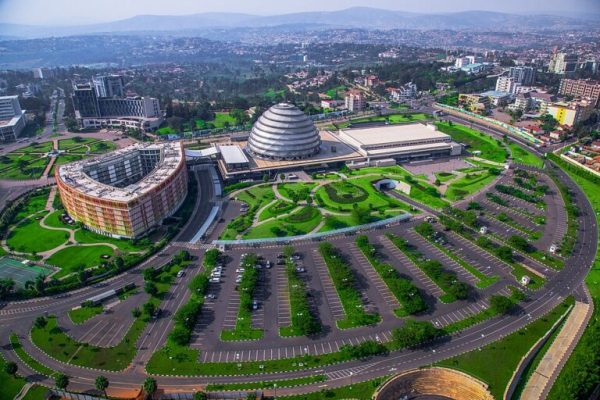
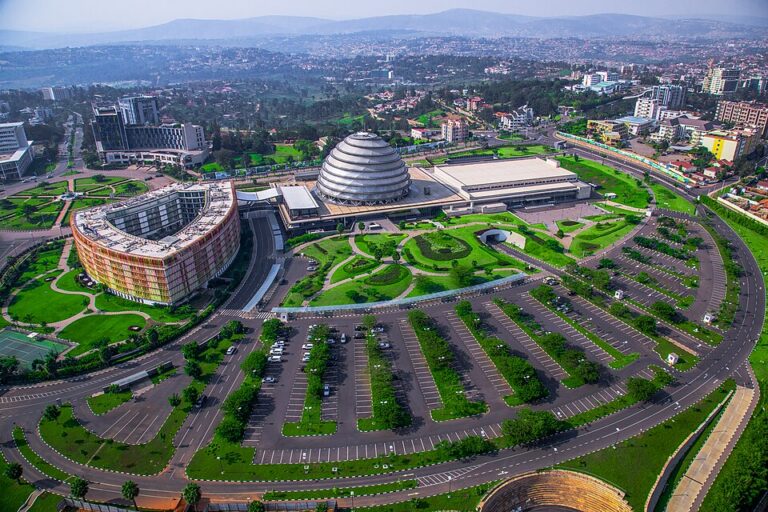
Many Rwandans have spoken about the progress the country has made. One of them is Joseph Habyarimana from Rusizi District, who once shared his experience during the National Dialogue Council (Umushyikirano) after visiting the Kigali Convention Centre.
He said: “Let those I left behind in Gikundamvura hear me: there is a miraculous building here. When you walk inside it, you feel as if you are stepping on water, yet it is not water. You are ahead of us, and we are following behind you, by God’s grace. May we live in peace.”
His remarks reflect how some Rwandans view the country’s transformation and development since the years following the genocide.
To prepare for the future, Rwanda first launched Vision 2020, a development program aimed at reducing poverty and building an economy driven by knowledge, modern infrastructure, and good governance.
After completing that phase, the country moved on to Vision 2050, a strategy aligned with Rwanda’s national aspirations as well as international development frameworks such as the Sustainable Development Goals (SDGs), the African Union’s Agenda 2063, and the East African Community’s long-term development vision.
One of the key goals of Vision 2050 is to significantly improve living standards. By 2050, the average income earned by each citizen is expected to increase substantially compared to current levels.
The strategy also seeks to drastically reduce unemployment, improve public welfare, and ensure that every citizen has access to essential services such as clean water, electricity, and quality healthcare.
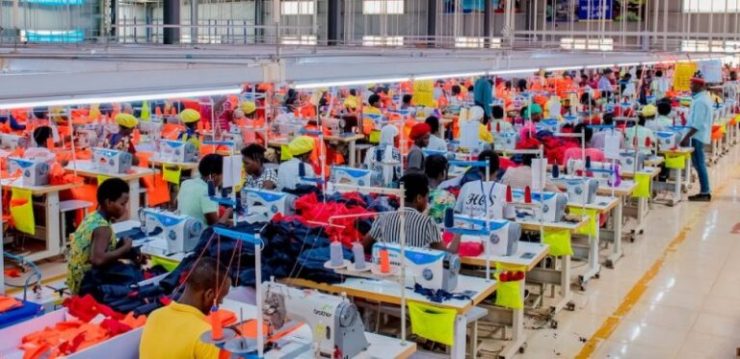
In the coming years, Rwanda plans to build a strong industrial sector capable of producing many of the goods needed both domestically and across the region.
Products such as construction materials, fertilizers, aircraft components, and various manufactured goods are expected to be produced locally. This will help reduce the country’s dependence on imports while creating more employment opportunities for Rwandans.
In addition, the Made in Rwanda initiative is expected to expand internationally, enabling locally produced goods to access wider markets around the world.
Among the country’s flagship projects is the Bugesera International Airport, currently under construction in Bugesera District.
The airport is expected to handle millions of passengers and large volumes of cargo each year, positioning Rwanda as a major aviation and logistics hub in East Africa.
Economic analysts believe the airport will boost trade, tourism, and foreign investment.
Since agriculture remains the primary source of livelihood for most citizens, Vision 2050 places strong emphasis on transforming the sector into a modern commercial industry.
Efforts will focus on expanding irrigation, increasing the use of technology in farming, and improving productivity. The goal is to ensure that agriculture becomes not only a means of survival but also a driver of economic growth and prosperity for farmers.
Another major objective is to guarantee that every citizen has access to clean water and electricity.
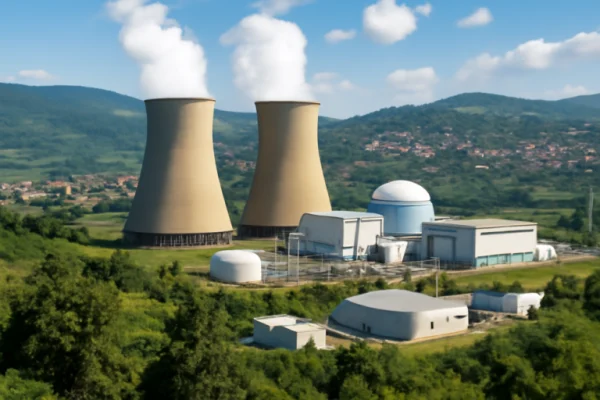
To achieve this, Rwanda plans to expand its energy production capacity through investments in renewable energy sources as well as nuclear power.
President Paul Kagame has previously explained why the country considers nuclear energy important, stating:
“Rwanda’s goal is to become a developed country by 2050. That requires a large supply of electricity, which is why we decided to prioritize nuclear energy in our long-term planning.”
Vision 2050 also anticipates a significant increase in urbanization. More Rwandans are expected to live in cities than is the case today.
Kigali will remain the country’s largest city, while other urban centers across the country will also be expanded to bring services and employment opportunities closer to citizens.
Modern infrastructure, efficient transportation systems, contemporary housing, and environmental sustainability will be among the key principles guiding urban development.
Overall, Vision 2050 seeks to transform Rwanda into a developed nation with a strong economy, prosperous citizens, modern infrastructure, and a significant role in both regional and global economic affairs.
Although the journey remains long, the initiatives currently being implemented demonstrate the country’s commitment to achieving its ambitions, with citizens remaining at the center of development and improved living standards.
This version preserves the meaning of the original article while presenting it in natural, professional English suitable for publication.