
























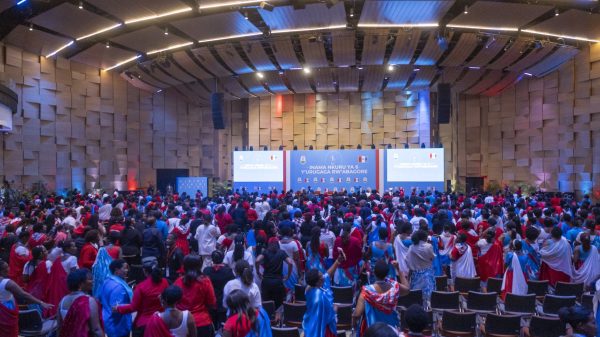













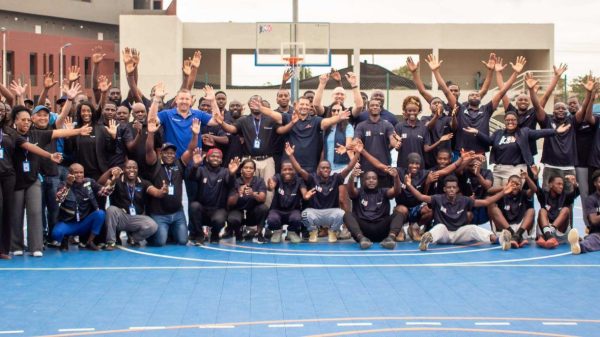
























































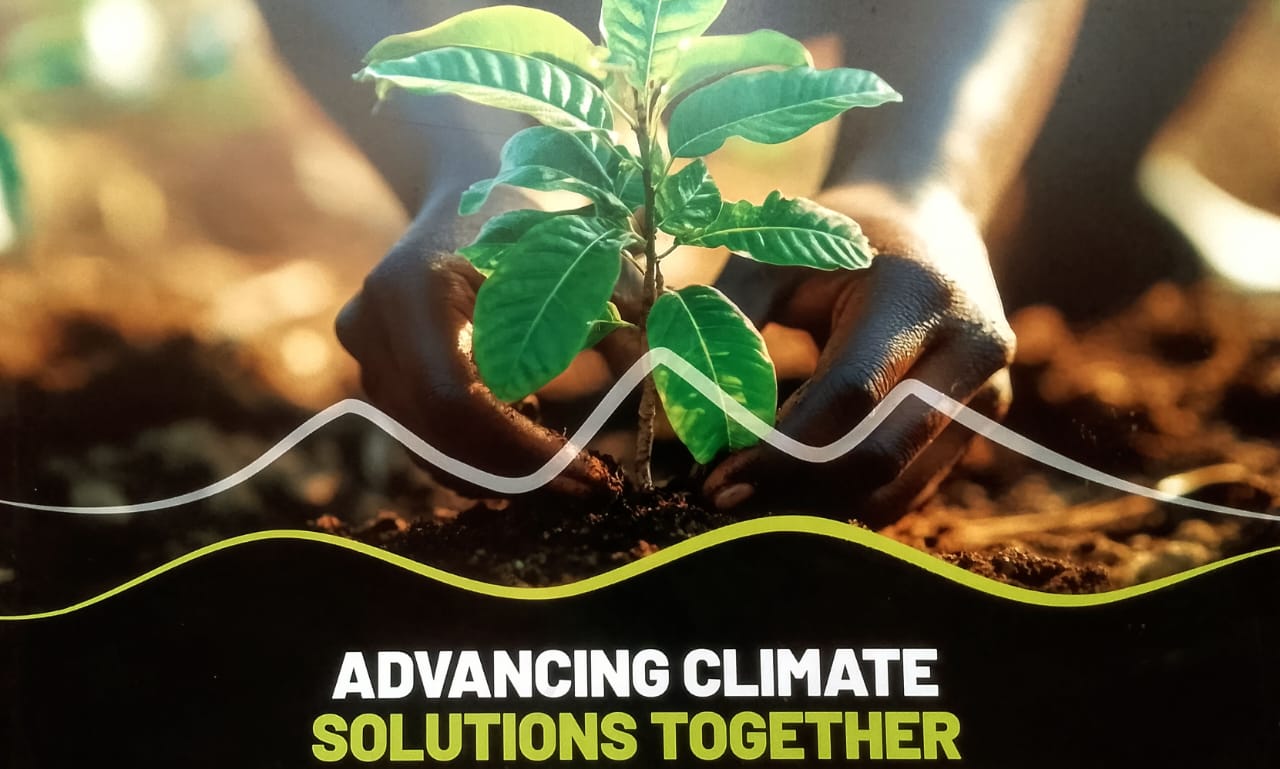
Rwanda has staked its environmental future on a plan of historic proportions. Officials from the Rwanda Environment Management Authority (REMA) convened diplomats, development partners, civil society, and the private sector in Kigali on Wednesday to launch a cluster of landmark documents the updated Nationally Determined Contribution (NDC 3.0), a Biennial Transparency Report, and a National Biodiversity Strategy each carrying its own formidable price tag and an urgent call to action.
At the centre of the day’s proceedings was the NDC 3.0, Rwanda’s third and most ambitious commitment under the Paris Agreement. The plan sets a 53% reduction in greenhouse gas emissions against business-as-usual scenarios by 2035, a dramatic leap from the 38% target embedded in its predecessor. Of that headline figure, 46% is conditioned on international support meaning that without sustained external finance and technology transfer, the full ambition cannot be realised.
The plan is structured around four pillars: mitigation, adaptation, loss and damage, and means of implementation. On the mitigation side, Rwanda will target four economic sectors energy, industry, agriculture, and waste. Electric vehicles alone are projected to contribute 24% of transport-sector emission reductions, while interventions in livestock management and composting are designed to curb methane, the country’s dominant greenhouse gas, which accounted for the vast majority of Rwanda’s roughly 7,800 gigagrams of carbon dioxide equivalent recorded in 2022.
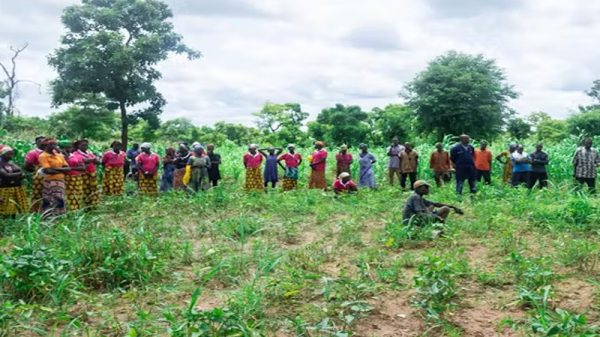
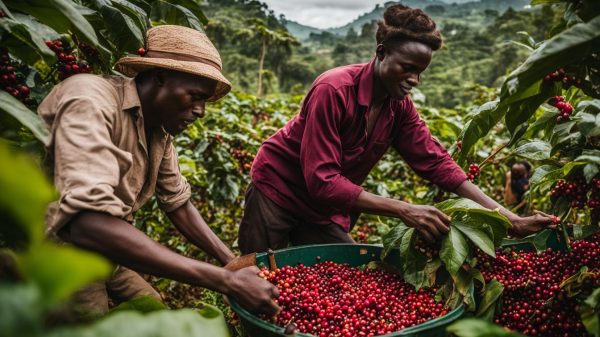
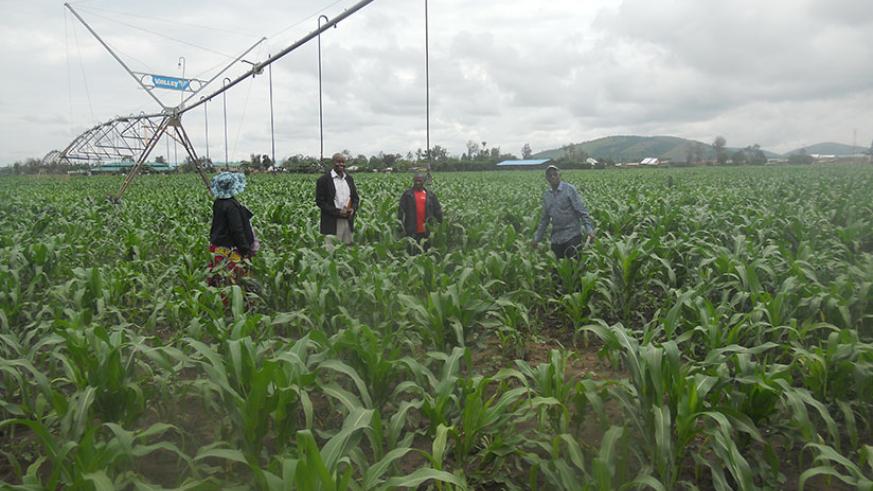
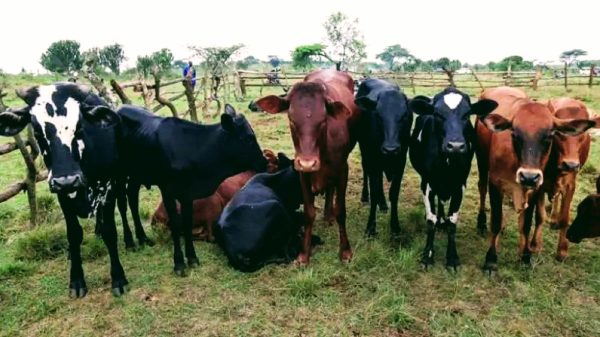
The agriculture sector sits at the heart of both the mitigation and adaptation agendas. Generating approximately 40% of national emissions while employing 44% of the workforce, it is the single largest contributor to Rwanda’s greenhouse gas inventory a trend that has held steady since 2006, when records began. Climate smart agriculture, improved livestock insurance, and the protection of forest cover currently at 30.4% nationally are among the central pillars of the country’s climate strategy.
Yet no figure dominated Wednesday’s dialogue more than the financing requirement: $12 billion by 2035, divided into a first phase of $7 billion through 2030, and a second tranche of $5 billion from 2030 to 2035. For adaptation alone, a comparable envelope is needed, with only 18% expected from domestic sources. Officials were candid about the scale of the challenge. “That is a lot of money,” acknowledged one presenter. “Eighteen percent sounds small in percentage it is not small when you compute the amount at $12 billion.”
A Biennial Transparency Report, also presented on Wednesday, laid bare the scale of the financing gap already facing the country. Between 2020 and 2025, Rwanda mobilised $4.7 billion against an $11 billion NDC 2 target leaving a shortfall of $6.2 billion. Officials identified two principal barriers to closing that gap: weak private sector participation, and persistent deficiencies in data collection and reporting. Without reliable data, they warned, it becomes difficult to make the case for support to international funders.
Greenhouse gas emissions have risen steadily from around 3,000 gigagrams in 2006 to nearly 7,000 gigagrams in 2022, closely tracking the country’s economic expansion. Officials stressed that this trajectory makes adaptation Rwanda’s foremost priority, given the relatively small contribution the country makes to global emissions. Between 2014 and 2023, climate-related events caused approximately 1,600 deaths, 2,300 injuries, damage to 62,000 homes, and the loss of up to 38,000 hectares of crops losses that the new NDC’s loss and damage pillar seeks to systematically address, including through access to the international Loss and Damage Fund and partnerships using artificial intelligence for real-time impact monitoring.
To bridge the financing gap, Rwanda intends to pursue a blended strategy, domestic budget allocations for unconditional measures, programmatic project design to attract pooled funding, integration of private capital alongside public investment, and participation in international carbon markets as a project developer.
Thadée Habiyambere, closing the proceedings on behalf of the Minister of Environment, captured the spirit of the day in measured but urgent terms. “No single institution can achieve these ambitions alone,” he said. “Effective implementation will require stronger coordination, sustained partnerships, increased investments, and continued commitment from governments, institutions, local authorities, development partners, the private sector, civil society, academia, and the community.” With the documents now public and the targets formally set, the harder work turning dialogue into action and ambition into funding begins now.